What Is Heavy Body Acrylic Paint?
Heavy body acrylic paint is a versatile medium offering artists a range of creative possibilities.
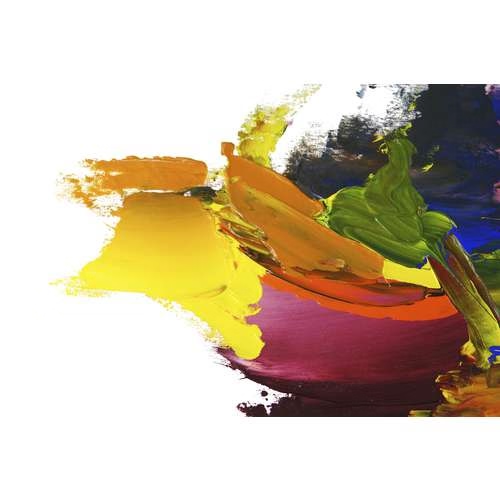
Characterized by its rich, buttery consistency, this type of paint lends itself well to techniques that emphasize texture and bold brushstrokes.
But, what sets heavy body apart from soft body and fluid acrylics, and how can artists effectively utilize its unique properties?
Key Takeaways
- Heavy body acrylic paint has a thick, buttery consistency ideal for impasto techniques and creating texture.
- It retains brushstrokes well and has excellent color intensity, making it ideal for expressive artwork.
- Heavy body acrylics are opaque and do not blend with underlying layers, allowing for bold, high-contrast colors.
Recommended Posts
- Are Winsor & Newton Professional Acrylic Paint Good?
- Liquitex Basics Review: Everything You Should Know
Differences Between Heavy Body, Soft Body, and Fluid Acrylic Paints
| Characteristic | Heavy Body Acrylic | Soft Body Acrylic | Fluid Acrylic |
|---|---|---|---|
| Consistency | Thick, buttery, and dense | Smooth, creamy, and flexible | Thin, watery, and pourable |
| Viscosity | High | Medium | Low |
| Blending and mixing | Difficult to blend, holds texture | Easy to blend, smooth finish | Easy to blend, smooth finish |
| Brushstrokes | Visible, textured, and impasto | Smooth, subtle, and blended | Smooth, subtle, and blended |
| Drying time | Slower | Faster | Fastest |
| Usage | Ideal for thick, textured, and impasto techniques | Suitable for fine details, layering, and glazing | Perfect for pouring, dripping, and achieving smooth, uniform surfaces |
| Color strength | High | High | Lower due to water content |
| Surface preparation | Requires primed surface | Can be used on a variety of surfaces | Requires primed surface or medium to prevent absorption |
When working with acrylic paints, understanding the differences between heavy body, soft body, and fluid acrylics is essential for achieving the desired effects and techniques in a piece of art.
Each type of paint has its unique characteristics that will allow you to express your self freely and creatively;
- Heavy body acrylics have a thick, buttery consistency, making them ideal for impasto techniques and creating texture. They retain brushstrokes well and have excellent color intensity.
- Soft body acrylics, on the other hand, have a slightly thinner consistency, making them suitable for smooth blending and layering. They offer a versatile middle ground for artists who want to experiment with different techniques.
- Fluid acrylics have a consistency similar to oil or water, making them perfect for pouring and other fluid techniques. They allow artists to create smooth, even washes of color or fine details.
Best Heavy Body Acrylic Paint: MEEDEN 6 Colors Large Bulk Acrylic Paint Set (33.8 oz,1 L)
Can You Mix Heavy Body Acrylic With Regular Acrylic?

Absolutely. You can mix heavy body acrylic with regular acrylics.
This technique allows artists to create a wide range of consistencies and textures, from thick and impasto to smooth and blended.
When mixing heavy body acrylic with regular acrylic, the resulting paint will have a consistency that falls somewhere in between the two.
The heavy body paint will add texture and brushstroke retention, while the regular acrylic will thin out the mixture and make it more suitable for layering and blending.
This combination can be particularly useful for artists who want to achieve a balance between texture and smoothness in their work.
Can You Add Water to Heavy Body Acrylic Paint?
Mixing heavy body acrylic paint with other mediums can substantially alter its consistency and texture.
Water can be used as one of the mediums, however it has specific limitations and guidelines that an artist needs to understand when applying heavy body paint techniques.
It is clear that adding water to heavy body acrylic paint can have a significant impact on its consistency and texture.
When adding water, it is essential to do so in small amounts, around five percent, and with extreme control.
This is crucial in technique-heavy settings where pliability is key, but it can also lead to a loss of coagulatory dynamic and a decrease in the quality of the paint.
The addition of water can cause the paint to become too thin, leading to a loss of detail and a decrease in the overall quality of the work.
It is therefore essential to understand the limitations and guidelines of adding water to heavy body acrylic paint and to use it with caution.
The Best Heavy Body Acrylic Paints
Several factors contribute to the quality of heavy body acrylic paints, including pigment load, lightfastness, and durability. These brands offer high-quality options that cater to the demand for intense, long-lasting colors.
For example, Golden High Flow and Golden Heavy Body are favoured for their versatility, creamy consistency, and diverse pigment offerings.
Winsor & Newton Artists’ Acrylic boasts also boosts an exceptional consistency and thickness. Plus, the quality of the paint is really Top- Tier as well.
Liquitex Professional Heavy Body Acrylic Paint likewise emphasize easy control and flexibility with their Heavy Body lines, offering a range of viscosities and textures for artists to explore.
How to Use Heavy Body Acrylics?
Heavy body acrylics are a type of acrylic paint known for their thick, buttery consistency and high pigment load. Follow these steps to get started with using heavy body acrylics:
- Surface preparation: Choose a suitable surface for your artwork, such as canvas, board, or paper. Make sure it is primed and ready for painting.
- Selecting tools: Heavy body acrylics can be applied with a variety of tools, including palette knives, brushes, and even household items like sponges or cloth. Select the tools that best suit your desired texture and effect.
- Mixing paint: Heavy body acrylics can be used straight from the tube or mixed with a range of mediums to achieve different effects. Mix paint on a palette or plate, using a palette knife to blend colors.
- Applying paint: Use your chosen tool to apply the paint to your surface. Heavy body acrylics can be applied thickly for a textured, impasto effect or more thinly for a smoother finish.
- Building layers: Allow each layer to dry before adding additional coats. Heavy body acrylics can take anywhere from 15 minutes to several hours to dry, depending on the thickness of application and environmental conditions.
- Creating texture: Use palette knives or other tools to scrape, spread, or manipulate the paint while it’s still wet. This can create interesting textures and patterns.
- Adding details: Once the paint is dry, use smaller brushes or tools to add finer details and refine your design.
- Varnishing: Once your artwork is complete, varnish it to protect the surface and add a glossy finish.
- Cleaning up: Clean your tools and workspace with soap and water. Heavy body acrylics can stain, so be sure to wear protective clothing and work in a well-ventilated area.
Extra- Tips When Working with Heavy Body Acrylics

Heavy body acrylics are ideal for artists who desire freedom in their creative expression, as they offer a versatile and dynamic medium for exploring texture, dimension, and color.
To get the most out of heavy body acrylics, mastering the right approaches is crucial.
Impasto techniques, which involve applying thick layers of paint to the canvas, are particularly well-suited to heavy body acrylics.
By building up layers of paint, you can create rich, textured surfaces that add depth and visual interest to their work.
Heavy body acrylics can also be used to create bold, expressive brushstrokes and vibrant, high-contrast colors.
When used in conjunction with other mediums, such as glazes or pastes, heavy body acrylics can be mixed to achieve a wide range of effects, from subtle, nuanced shifts in tone to dramatic, high-impact statements.
Final Thoughts
A skilled artisan approaches a canvas like a master builder constructing a fortress, with heavy body acrylic paint serving as the foundational stone.
Its rich texture and vibrant colors provide a robust base, while its opaque nature shields underlying layers from blending.
You can construct your masterpieces with unbridled creative freedom with heavy body acrylics, go for it!