Liquitex Basics Review: Everything You Should Know
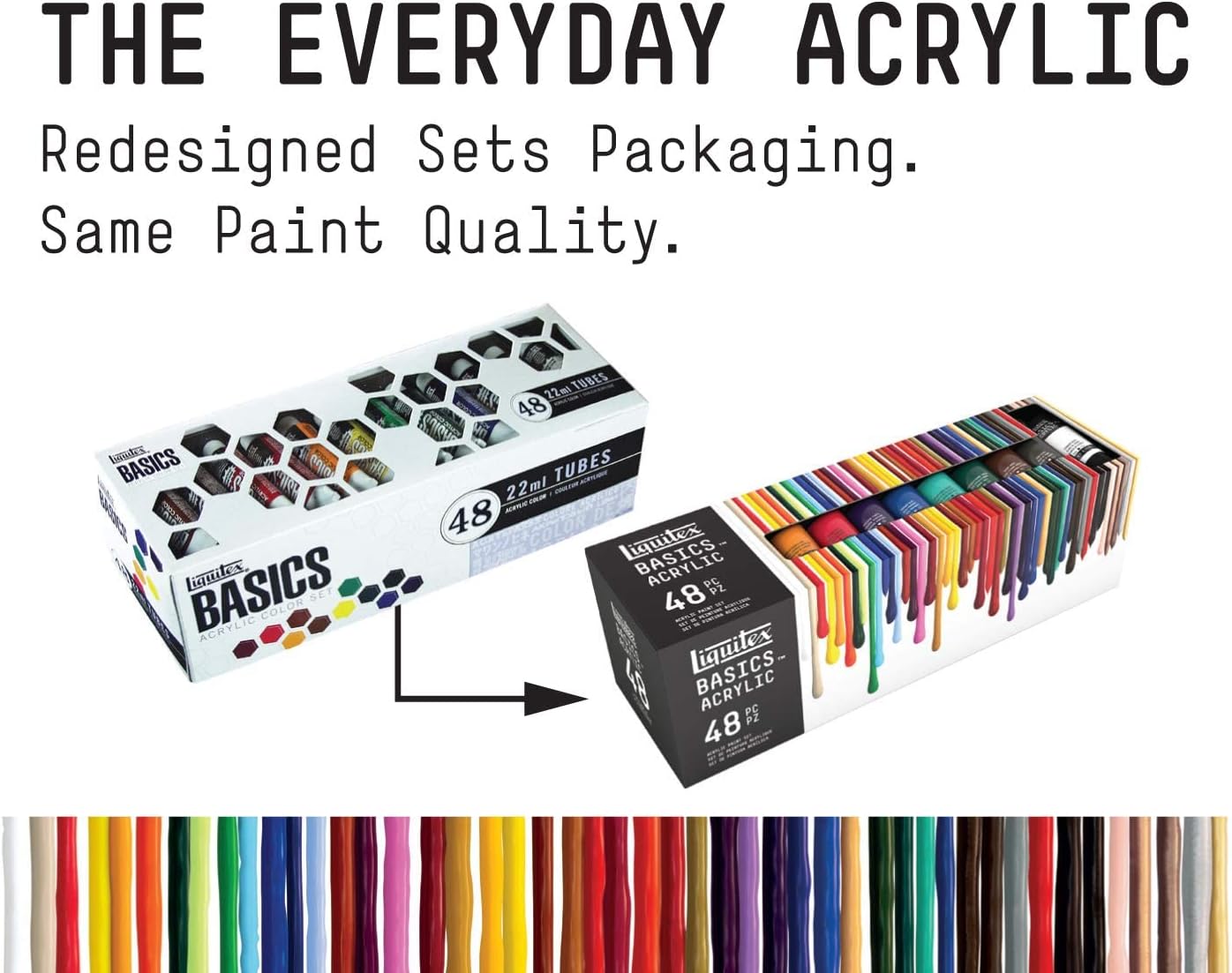
Liquitex Basic Acrylic Paints are well-regarded for their vibrant colors and ability to maintain vibrancy and structure over time. You’ll find that these paints blend seamlessly and are versatile across various surfaces, including canvas, wood, and fabric.
If you’re keen to further explore the potential of these vibrant acrylic paints and their application techniques, there’s more to uncover. Let’s get right to it!
Related Posts
- Can You Put Mod Podge Over Acrylic Paint?
- What Is Satin Acrylic Paint? A Painter’s Guide
- Is Pebeo Studio Acrylic Paint Good?
- Is Craft Smart Acrylic Paint Good?
Are Liquitex Basic Acrylic Paints Good?

Just like Winsor & Newton Acrylic Paint, Liquitex Basic acrylic paints consistently deliver vibrant hues and dependable uniformity, making them a popular option for artists of all proficiency levels.
Every tube of Liquitex Basic is filled with intense pigments, providing you with a range of choices that can broaden your creative palette.
They’re remarkably versatile as well. You can apply them on various surfaces, from canvas to paper, wood, and even fabric.
This adaptability makes them a fantastic selection if you enjoy exploring different mediums and techniques.
Furthermore, their dense texture can be easily diluted with water or mediums, allowing you to regulate the consistency and final look of your artwork.
How Durable are Liquitex Basic Acrylic Paints?
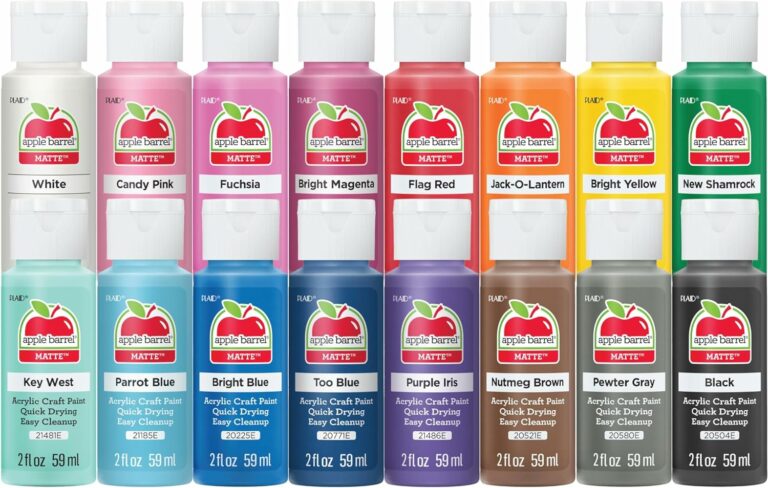
The durability of liquitex basics is never in question. Infact, you’ll discover that Liquitex Basic acrylic paints offer impressive durability, maintaining their color vibrancy and structural integrity over time. Another brand that has impressive durability is Apple Barrel Matte Acrylic Paint.
These paints are formulated to resist fading, even when exposed to light for prolonged periods. This means you can hang your creations in sunny spots without worrying about them losing their luster.
Also, Liquitex Basic acrylics are quite resistant to water once dry. You won’t have to worry over a sudden downpour or accidental spills ruining your art.
Moreover, the flexibility of the paint film prevents cracking and flaking, which is essential if you’re someone who likes to experiment with thick layers or mixed media.
This resilience assures that your artistic expressions remain as vivid and intact as the day they were painted.
How to Paint With Liquitex Basic Acrylic Paints?
To begin painting with Liquitex Basic acrylic paints;
- Start by prepping your surface with a primer to guarantee paint adhesion and color vibrancy.
- Once your surface is ready, squeeze out a few colors onto a palette. You’ve got the freedom to mix these to create shades that truly reflect your vision.
- Dip your brush into water slightly before mixing with paint; this helps in smoother application.
- Next, apply your paint to the canvas. If you’re going for thin, even layers, add a bit more water. For thicker, textured strokes, use the paint straight from the tube.
- You’re in control here; experiment with brush sizes and strokes to see what effects they create on your canvas. Remember, there’s no right or wrong in art, just the freedom to express.
- Feel free to layer your colors. Acrylics are great for building up depth since each layer dries quickly, allowing you to add more without muddying what’s underneath.
- Explore techniques like glazing or scumbling to add dimension to your work.
- Seal your work for durability and protection from dust or heat.
- Lastly, step back and take in your creation. Adjust as you see fit, knowing you can always change things up. Enjoy the process and let your creativity flow freely!
How Long Do Liquitex Basic Acrylic Paints Take to Dry?
Most Liquitex Basic acrylic paints dry to the touch within about 20 to 30 minutes, depending on the thickness of the application and the ambient conditions.
If you’re working in a room that’s particularly warm or dry, you might find that the paint dries even more rapidly in like 15 minutes.
This quick drying time allows you the freedom to add multiple layers without lengthy waiting periods, keeping your artistic flow unimpeded.
However, if you’re painting in a cooler or more humid environment, be prepared for the drying process to take a bit longer.
It’s important to factor in these conditions when planning your project timeline. You don’t want to rush your work, but you don’t want to be held back waiting for paint to dry either.
One way to manage drying times effectively is by adjusting the thickness of your paint layers. Thinner layers will dry faster, giving you more control and flexibility in your painting process.
Experimenting with different techniques and conditions can help you understand how best to use Liquitex Basic acrylics to suit your artistic needs.
What About Their Curing Time?

While Liquitex acrylics dry quickly, their full curing time can take up 4 days to even weeks.
That’s a bit of a wait, isn’t it? But here’s the scoop: during this time, the paint undergoes a chemical process that solidifies it into a durable, stable form.
This means you’ve got to have some patience, but it also provides you the freedom to revisit and adjust your work until it’s just right.
You might wonder why this matters. Well, fully cured paint is more resistant to the elements, which is vital if you’re creating art that might end up exposed to sunlight or moisture.
It’s also tougher against scuffs and handling, which is great if your art is going places.
So, what can you do during these three weeks? It’s the perfect time to plan your next steps, whether that’s preparing the space where your art will live or even starting a new project.
Just remember, the waiting period isn’t wasted time—it’s an essential part of ensuring your artwork lasts and maintains its vibrancy.
Think of it as a little pause that lets both you and your art breathe, ensuring everything turns out just as you envisioned.
Sealing Liquitex Basic Acrylic Paint
Sealing your Liquitex Basic Acrylic Paint protects the vibrant colors and extends the durability of your artwork.
Once you’ve poured your heart and creativity into a piece, it’s vital to make sure it withstands the test of time.
Sealing is like declaring, ‘This piece is finished, and I’m safeguarding it.’ It’s your final say in the creative process, allowing your work to maintain its beauty under various conditions.
You have a few choices when it comes to sealants. A varnish, either glossy or matte, is a popular option. It not only safeguards against UV rays, which can cause fading, but shields the paint from dust and moisture as well. I suggest you check out Liquitex Professional Matte Varnish.
Applying a varnish is straightforward. Make sure your painting is entirely dry.
This might take anywhere from a day to even a week, depending on the thickness of the paint layer.
Using a soft brush, apply the varnish in thin, even coats. You’ll want to keep your strokes consistent to avoid any streaks.
Let each coat dry thoroughly before applying the next. Typically, two to three coats are adequate for a robust protective layer.
This step empowers you to preserve your artwork exactly as you intended, free from the wear and tear of time and environment.
Can You Mix Liquitex Basics With Professional?
You can indeed mix Liquitex Basics with Professional acrylic paints to achieve desired effects and textures in your artwork.
This blending of different lines offers you flexibility and creative freedom, allowing you to experiment with various qualities and finishes without compromising the integrity of your work.
Basics are known for their slightly softer consistency and lower pigment load, making them ideal for large areas or underpainting.
On the other hand, the Professional range boasts a higher concentration of pigments and a smoother, more buttery texture, perfect for adding rich details and vibrant pops of color.
When you mix these two lines, you’re not just combining colors; you’re merging qualities. This means you can tailor the paint to suit your specific needs.
Perhaps you’ll use a base of Basics for its cost-effectiveness and layer Professional paints on top for intense highlights. Or, mix them to adjust the opacity or sheen, creating a custom finish that’s exactly right for your piece.
Do You Add Water to Liquitex?

Adding water to Liquitex acrylic paints can adjust their consistency and transparency, enhancing your painting technique. You have the freedom to experiment with the thickness and sheen of your paint.
When you incorporate a bit of water, it breaks down the paint slightly, making it thinner and more fluid, ideal for delicate washes or detailed work.
But remember, a little goes a long way! Excessive water can overly dilute the paint, resulting in a loss of color strength and potential under-binding of the paint, which can impact the durability of your artwork.
To maintain control over your painting and guarantee the best results, start with a small amount of water and gradually add more until you achieve the desired consistency.
Use a mixing palette to find the right balance before applying it to your canvas.
This approach allows you to explore different effects without committing to a single style. Immerse yourself in the versatility that Liquitex offers and let your creativity flow without constraints.
Best Surfaces to Apply Liquitex Basic Acrylic Paint
Liquitex Basic Acrylic Paint adheres beautifully to a variety of surfaces, including canvas, paper, wood, and fabric.
When you’re yearning to express your creativity without boundaries, knowing where you can apply your paint freely matters significantly.
Starting with canvas, it’s the preferred option for many artists. Its slightly textured surface grips the acrylic paint effectively, allowing vibrant colors and sharp details to stand out.
You’re not solely limited to traditional stretched canvas either; canvas boards can also function as a durable, portable choice for your artistic pursuits.
Paper, on the other hand, presents a multitude of opportunities. Heavyweight papers, such as watercolor paper, are recommended because they can withstand moisture without bending. You’ll discover that applying a gesso layer first isn’t essential but can enhance the texture and absorbency.
Don’t forget wood – it’s an excellent surface for acrylics, particularly if you’re aiming for a rustic or natural appearance. Make sure it’s sanded smoothly and possibly sealed to maximize your painting experience.
Lastly, fabric – an exciting option for wearable art or distinctive décor items. Stick to tightly woven fabrics and consider using a fabric medium blended with the paint to enhance adherence and flexibility.
You can also use liquitex basics on any other item of your choice. Be it shoes, bottles, walls, metals, you name….
Final Thoughts
Liquitex Basics are a solid choice for both novice and seasoned artists. They’re versatile, blending well with professional lines and water for varied techniques.
These paints dry quickly but have a longer curing time, ensuring durability once fully set. For best results, apply them on appropriate surfaces and seal properly to enhance longevity.
Thank you for your time.