
10 Reasons Why Artists Use Acrylic Paint?
Acrylic paint has become a staple in many artists’ studios, and for good reason. Its unique blend of vibrant color, fast-drying properties, and eco-friendly composition makes it an attractive medium for creatives.
But what drives artists to choose acrylics over other painting mediums? Is it the ability to achieve rich, textured brushstrokes or the freedom to experiment with bold, spontaneous gestures?
Key Takeaways
- Artists use acrylic paint for its high pigment load, resulting in rich, vibrant colors that retain their intensity even when mixed or thinned.
- Acrylic paint’s fast-drying properties make it an attractive medium for artists who value efficiency and spontaneity in their creative process.
- The versatility of acrylic paint allows artists to adapt their creative vision to a wide range of applications and techniques.
- Acrylic paint is non-toxic and eco-friendly, providing a safe and healthy working environment for artists and aligning with environmental sustainability concerns.
- The flexibility of acrylic paint enables rapid layering and blending, facilitating the creative process and allowing for bold, expressive brushstrokes.
Related Reading
- 10 Best Neon Acrylic Paints
- Are Winsor & Newton Professional Acrylic Paint Good?
- Is Craft Smart Acrylic Paint Good?
10 Reasons Why Artists Use Acrylic Paint?

Acrylic paint has become a preferred medium for many artists due to its numerous benefits. And, these benefits are;
1)Highly Pigmented
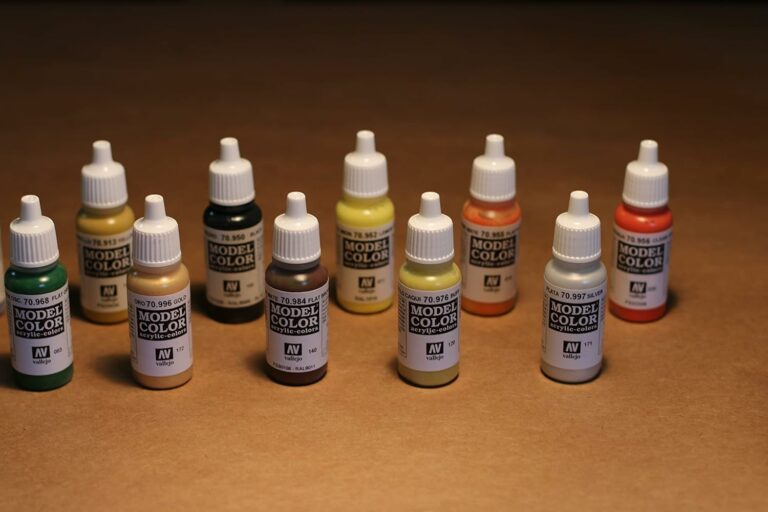
Frequently, artists are drawn to acrylic paint because of its exceptionally high pigment load, which results in rich, vibrant colors that retain their intensity even when mixed or thinned.
This high pigment load allows artists to achieve a depth and luminosity in their work that would be difficult to achieve with other mediums.
Acrylic paint’s vibrant colors are highly lightfast, meaning they will not fade over time, ensuring that the artist’s work remains vibrant and true to its original intent.
This also allows artists to achieve subtle, nuanced shifts in color and tone, enabling them to convey complex emotions and ideas with precision.
This level of color control is particularly important for artists who rely on color to convey meaning and mood in their work.
2) Dries Fast
In addition to its remarkable color capabilities, acrylic paint’s fast-drying properties make it an attractive medium for artists who value efficiency and spontaneity in their creative process.
This characteristic allows artists to work rapidly, building up layers of color and texture without delay.
This is particularly beneficial for artists who work in a spontaneous or expressionist style, as they can react to their artwork in real-time, making adjustments and refinements as needed.
Furthermore, the rapid drying time of acrylic paint permits artists to complete projects efficiently, making it an ideal medium for commissioned work, tight deadlines, or large-scale projects.
3) Non-Toxic
One of the significant advantages of acrylic paint is its non-toxic composition, which provides a safe and healthy working environment for artists.
Unlike oil paints, which contain hazardous solvents, acrylics are free from harmful chemicals, making them an ideal choice for artists who prioritize their health and well-being.
This non-toxic nature extends to the environment, as acrylic paint does not release volatile organic compounds (VOCs) that can contribute to air pollution.
This added benefit makes acrylic paint an attractive option for artists seeking a safer and more responsible art practice.
4) High Color Vibrancy
Acrylic paint’s high color vibrancy, achieved through its ability to retain pigment load, allows artists to create bold, rich, and dynamic artworks that enthral audiences.
This vibrant quality enables artists to express themselves with confidence, conveying emotions and ideas through a kaleidoscope of colors.
The high pigment load in acrylic paint guarantees that the colors remain intense and true, even when mixed with other mediums or applied in thin layers.
Artists can experiment with bold brushstrokes, subtle nuances, and intricate details, all while maintaining the integrity of the colors.
The high color vibrancy of acrylic paint permits greater flexibility with regard to technique and style, as artists can push the boundaries of traditional methods to create truly unique and compelling pieces.
5) Versatile
Flexibility is a hallmark of acrylic paint, allowing artists to adapt their creative vision to a wide range of applications and techniques.
This versatility makes it an ideal medium for artists who enjoy experimenting with different styles and effects.
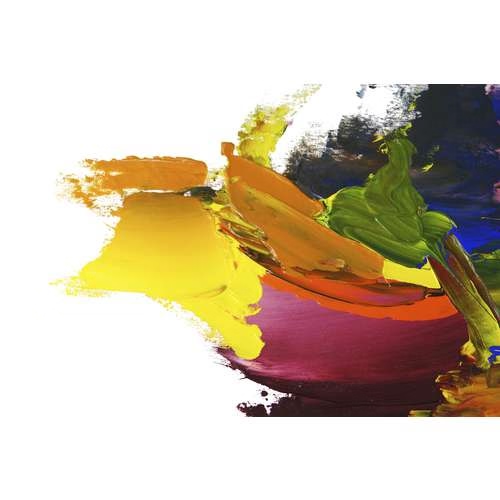
Acrylic paint can be used to create bold, expressive brushstrokes, or it can be mixed with mediums to achieve subtle, nuanced textures. It can be applied thickly for impasto techniques or thinned out for delicate, watercolor-like washes.
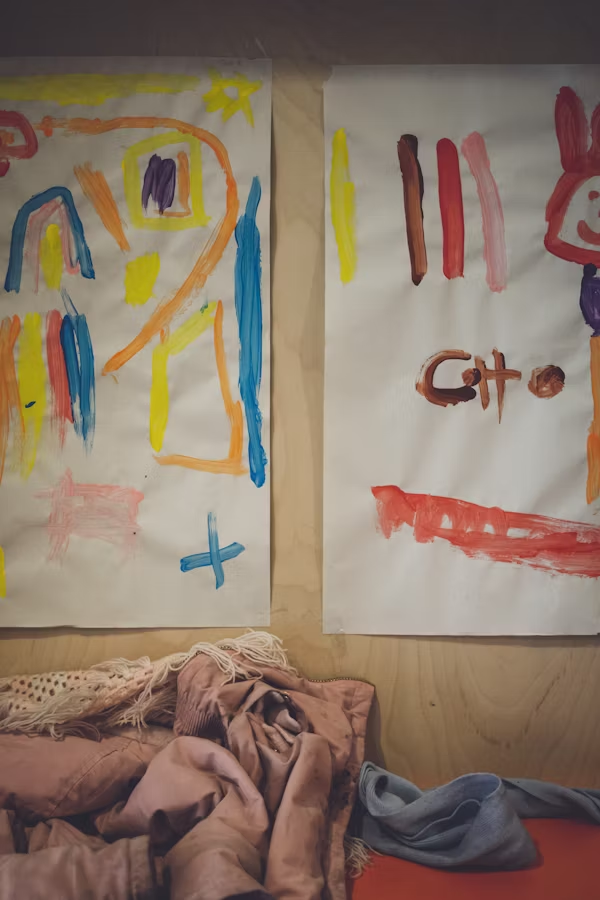
Moreover, acrylic paint can be used on various surfaces, including canvas, paper, wood, and even fabric.
Acrylic paint can be mixed with other materials, such as gel, paste, or even found objects, to create unique and intriguing textures and effects.
Overall, the versatility of acrylic paint makes it an attractive choice for artists who value flexibility and creative freedom.
6) Easy to Clean Up
Convenience plays a significant role in the artistic process, and acrylic paint’s ease of clean up is a major advantage that attracts many artists to this medium.
Unlike oil paints, which require solvents and tedious cleaning procedures, acrylic paint can be easily washed away with soap and water.
Surprisingly, it also easy to clean up acrylic paint on carpet and even on fabric. This makes it an ideal choice for artists who value efficiency and convenience.
Additionally, acrylic paint dries quickly, which means that artists can work rapidly without worrying about lengthy drying times or messy clean-ups.
This ease of clean up permits artists to focus on their creative process, rather than spending hours on tedious cleaning tasks.
In addition, the easy clean up of acrylic paint reduces the risk of accidents and spills, making it a safer choice for artists who work in small or shared studio spaces.
Moreover, the ease of cleanup is a significant benefit of acrylic paint, making it an attractive option for artists who value convenience and efficiency.
7) Can be Thinned with Water
The versatility of acrylic paint is further enhanced by its ability to be thinned with water, allowing artists to achieve a range of effects and textures in their work.
By adding water to the paint, artists can create subtle, transparent washes or soft, blended edges.
This flexibility is particularly useful for artists who work in layered or glazing techniques, as it enables them to build up complex, nuanced colors and textures.
Thinning acrylic paint with water can help artists achieve a more spontaneous, expressive style, as it allows for faster, more fluid brushstrokes.
This, in turn, can lead to more dynamic, emotive artworks that resonate with viewers on a deeper level.
8) Affordable
Acrylic paint’s economical price point makes it an attractive option for artists, particularly those who are just starting out or working on a tight budget.
The cost of art supplies can quickly add up, and acrylic paint offers a high-quality, versatile medium at an affordable price.
For example, this Liquitex BASICS Acrylic Paint Set, 48 x 22ml (0.74-oz) Tube Set only goes for $51.69 on Amazon,
This accessibility allows artists to experiment with different techniques and styles without breaking the bank.
Also, this freedom to create without financial constraint can be incredibly liberating, allowing artists to focus on their craft rather than worrying about the cost of materials.
9)Artist- Friendly
Flexibility in application and manipulation allows artists to explore a wide range of styles and techniques, from thin watercolor-like washes to thick, heavy textures, making acrylic paint an attractive medium for creative expression.
Artists can experiment with different effects, pushing the boundaries of their art. Additionally, acrylic paint’s fast-drying properties allow for rapid layering and blending, facilitating the creative process.
Artists can work spontaneously, making bold strokes and confident decisions, without worrying about long waiting periods.
The ease of use and manipulation of acrylic paint makes it an ideal medium for artists of all skill levels, from beginners to seasoned professionals.
9)Environment Friendly
In contrast to traditional art materials, acrylic paint offers a more eco-friendly alternative, aligning with the growing concern for environmental sustainability.
The production process of acrylic paint involves fewer chemicals and toxic substances, making it a safer choice for artists and the environment. Moreover, acrylic paint is water-soluble, which eliminates the need for solvents and turpentine, reducing air pollution and health risks.
Acrylic paint is in addition a fast-drying medium, which reduces the amount of energy required for drying and storage.
In this vein, many acrylic paint manufacturers prioritize sustainability by using recyclable materials for their packaging and adopting environmentally responsible practices.
As artists increasingly prioritize eco-friendliness in their creative processes, acrylic paint has become a preferred choice.
This shift towards eco-friendliness not only benefits the environment but additionally promotes a sense of social responsibility among artists, aligning with the values of serving others and creating a positive impact.
What Else Can an Artist Use Apart From Acrylic Paint?

Artists can oil paints, watercolor paints or Gouache to express their creativity and bring their visions to life.
Oil paints offer a rich, luminous quality and blending capabilities, making them ideal for capturing subtle nuances in color and texture.
Watercolors, on the other hand, provide a delicate, transparent wash that can evoke a sense of ethereal beauty.
Artists should use gouache for its vibrant, opaque colors, versatility in techniques, and ability to create bold, graphic artworks with a unique, matte finish, making it ideal for illustrations, design, and fine art applications.
Additionally, digital art software has opened up new avenues for creative expression, allowing artists to work in a virtual environment and manipulate colors, shapes, and textures with ease.
The choice of medium depends on the artist’s individual vision, style, and goals.
Where Can You Buy Quality Acrylic Paints?
Artists can find quality acrylic paints in online marketplaces like Amazon, Dick Blick, and Jerry’s Artarama . These places offer a wide range of acrylic paint brands, allowing artists to read reviews and compare prices.
Furthermore, local art supply stores and specialty paint shops often carry high-end brands and can provide valuable advice from experienced staff.
When shopping online, pay attention to the brand’s reputation, pigment load, and customer reviews. Reputable brands like Golden, Liquitex, and Daler-Rowney offer high-quality products that will meet the demands of professional artists.
Tips and Tricks for Using Acrylic Paint
To get the most out of this medium, mastering some valuable tips and tricks is vital.
- One key aspect is to prime your surface properly, as this guarantees better adhesion and prevents the paint from soaking into the surface.
- Another technique is to use glazes to achieve depth and luminosity in your work. Mixing acrylic paint with mediums such as matte or gloss gel can further enhance texture and visual interest.
- Experiment with different brushstrokes and tools, such as palette knives or sponges, to add unique textures and patterns to your artwork.
- Finally, don’t be afraid to make mistakes – they can often lead to unexpected and exciting results.
Do Professional Artists Use Acrylics?
The art world’s most revered masters and contemporary visionaries alike have long recognized the expressive potential of acrylic paint, incorporating it into their practices to produce works that are at once innovative and timeless.
From the bold, gestural brushstrokes of Willem de Kooning to the vibrant, layered compositions of Gerhard Richter, professional artists have consistently pushed the boundaries of what is possible with acrylic paint.
Professional artists continue to rely on acrylic paint as a trusted and indispensable tool, one that enables them to bring their most ambitious visions to life.
Final Thoughts
Artists, once pioneers of uncharted territories, now conform to the comfort of a medium that promises ease and speed over substance and originality. Acrylic paint is indeed a favorite for many. Thanks for reading!