
Can You Sand Acrylic Paint?
You can sand acrylic paint, but with caution. Acrylic paint can be sanded, but it requires careful consideration of the paint’s properties and the sanding process.

You can sand acrylic paint, but with caution. Acrylic paint can be sanded, but it requires careful consideration of the paint’s properties and the sanding process.

You can etch acrylic, but not directly; it requires a masking agent like acrylic paint or etching cream to reveal the design.
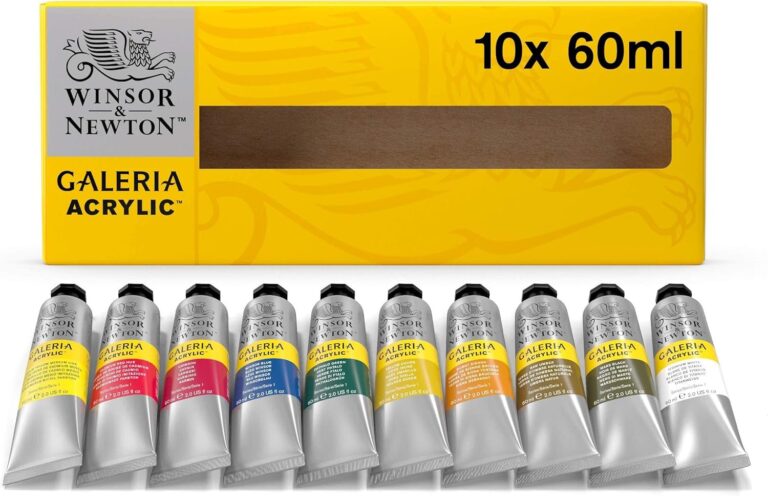
When selecting an acrylic paint set, you may often find your self overwhelmed by the numerous options available.

Working with acrylic paint and polyurethane requires careful consideration to ensure a successful finish, but is it even possible to combine them?

You can paint over acrylic nails, but use a special acrylic-friendly polish to avoid damaging the nail. Clean and dry the acrylic surface before applying polish to ensure a strong bond. Gently buff the acrylic surface to create a rough texture for better polish adhesion. Apply a thin layer of clear base coat to protect the acrylic and promote polish adhesion.

Water can be used with acrylic paint to achieve desired effects and consistency. High-viscosity paints can tolerate more water than lower-viscosity acrylics without separating. Adding water to paint softens edges, merges colors, and creates depth and dimensionality. Experimenting with different water-to-paint ratios will help you achieve the desired consistency and effect.

Start by using an algae scraper specifically designed for acrylic aquariums. These scrapers typically have a soft, flexible blade that won’t scratch the surface. If the algae is particularly stubborn, you can use a magnetic algae scraper, which attaches to the outside of the aquarium and uses a soft, magnetic blade to remove algae from the inside. Be careful not to press too hard, as this can scratch the acrylic.
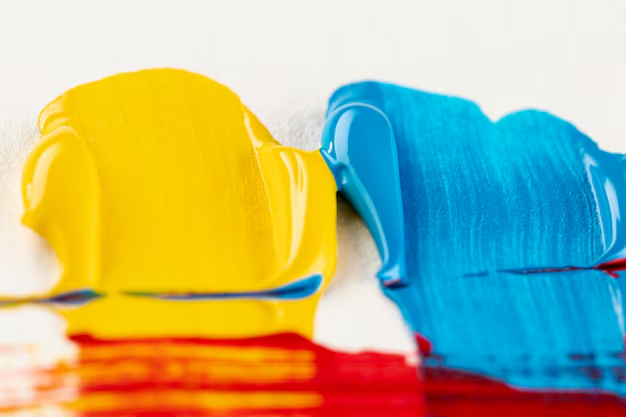
Water-based acrylic paint is generally considered safe for skin use when applied properly but may cause skin irritation and allergic reactions to some people. High-quality, non-toxic water-based acrylic paint specifically designed for skin use is recommended.
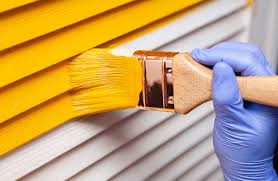
Enamel paint is not a type of acrylic paint, despite their similarities in application and finish. Enamel paint uses a solvent-based or oil-based formula, whereas acrylic paint uses water-soluble acrylic polymers. The binder systems in enamel and acrylic paints affect their durability, drying times, and resistance to environmental factors.

Frederick Slack, a dentist, accidentally invented acrylic nails in 1954, paving the way for modern acrylic nails. Slack’s innovative solution led to the development of modern acrylic nails, popularized in the 1950s and 1960s by Black women.