
How Many Coats of Gesso Are for Acrylic Painting?
When preparing a surface for acrylic painting, the application of gesso is a vital step. However, the question of how many coats to apply remains a subject of debate.
While some artists swear by a single coat, others insist on multiple layers to achieve ideal results.
Artists must carefully consider their specific needs and adapt their technique accordingly. But what does this mean in practice?
Key Takeaways
- One to two coats of gesso are typically sufficient for acrylic paintings on a primed surface.
- Unprimed surfaces typically require three coats of gesso to achieve a durable, non-porous surface.
- The ideal number of coats depends on the surface’s absorbency, desired texture, and the artist’s personal preference.
- Two coats can provide a good balance between coverage and texture, but additional coats may be needed for highly textured effects.
You Might Also Like: 10 Best Neon Acrylic Paints
What is Gesso? And, Is Gesso Necessary for Acrylic Painting?

At its core, gesso is a primer and surface preparer that plays a pivotal role in creating an ideal foundation for acrylic painting, its necessity hinging on the artist’s desire for a durable, long-lasting, and visually appealing artwork.
As a critical component in the painting process, gesso serves to create a smooth, non-porous surface for paint to adhere to, ensuring a strong bond between the paint and the substrate.
This is particularly important for acrylic painting, as it allows for even application and prevents the paint from soaking into the surface.
The composition of gesso is a carefully balanced blend of ingredients, including titanium dioxide, calcium carbonate, and acrylic polymers in water.
These components work in harmony to create a binding film that grips the surface, providing a durable and long-lasting foundation for the artwork.
By applying gesso, artists can achieve a professional finish, characterized by vibrant colors, crisp lines, and a sense of depth and dimensionality.
Ultimately, the use of gesso is essential for any artist seeking to create high-quality, visually stunning acrylic paintings that will stand the test of time.
How Many Layers of Acrylic Gesso Should I Use on a Primed Surface?
Typically, one to two coats of gesso are sufficient for acrylic paintings on a primed surface.
This is because the primed surface already provides a foundation for the gesso to adhere to, allowing for a smoother application.
However, if you’re looking to achieve a specific texture or effect, you may need to apply additional coats of gesso. It’s vital to weigh the absorbency of your surface, as well as your personal preference for the level of tooth or texture.
Remember, the goal of gesso is to provide a durable, non-porous surface for your acrylic paint to adhere to.
This will guarantee a strong bond between the gesso and the surface, resulting in a durable and long-lasting artwork.
Also, Recommended: Best Acrylic Paint Brushes in 2024
How Many Layers of Acrylic Gesso Should I Use on Unprimed Surface?
Unprimed surfaces, lacking a foundation for gesso to adhere to, typically require more coats of gesso than primed surfaces to achieve a durable, non-porous surface for acrylic painting.
On average, three to four coats of gesso are recommended for unprimed surfaces. This is because the first coat will soak into the surface, the second coat will start to build a foundation, and the third coat will provide a smooth, even surface for painting.
When applying gesso to an unprimed surface, it is crucial to allow each coat to dry completely before applying the next one.
Additionally, make sure to sand lightly between coats to create a smooth finish.
What Happens When You Mix Gesso With Acrylic Paint?
When gesso is mixed with acrylic paint, it thickens the paint, making it more suitable for impasto techniques or creating raised patterns on the canvas.
Mixing gesso with acrylic paint creates a unique, textured effect that can add dimension and visual interest to a piece of art.
This technique allows artists to experiment with different textures and colors, creating a distinctive style.
The calcium carbonate in the gesso also helps to create a rough, absorbent surface, allowing for interesting layering effects.
The ratio of gesso to paint can be adjusted to achieve the desired consistency and texture.
A higher proportion of gesso will result in a more textured, three-dimensional effect, while a lower proportion will produce a more subtle, nuanced texture.
The type of gesso used can also impact the final result, with some gessos producing a more matte finish and others a glossy one.
Is 2 Layers of Gesso Enough?

Applying two layers of gesso can provide a sufficient foundation for most acrylic paintings, but the adequacy of this preparation ultimately depends on the specific requirements of the artwork.
For instance, if you’re working on a highly absorbent surface, two layers may not be enough to achieve a smooth, even finish.
In general, two coats of gesso can provide a good balance between coverage and texture. However, if you’re looking to create a highly textured or impasto effect, you may need to apply additional coats.
On the other hand, if you’re working on a smooth surface and desire a subtle, nuanced texture, two coats may be sufficient.
Ultimately, it’s vital to assess your artwork’s specific needs and adjust your gesso application accordingly.
How Long Does It Take for Gesso to Dry for Acrylic?
The drying time of gesso for acrylic painting typically ranges from 15 minutes to an hour, depending on the ambient temperature, humidity, and thickness of the application.
In ideal conditions, with a thin layer of gesso applied, you can expect it to dry within 15-20 minutes. However, if the environment is humid or the layer is thicker, it may take up to an hour for the gesso to fully dry.
It’s essential to guarantee the gesso is completely dry before applying acrylic paint to avoid any potential issues with adhesion or texture.
You can speed up the drying process by using a hairdryer on a low setting or by increasing the airflow in your workspace.
Nevertheless, be cautious not to overheat the gesso, as this can cause it to crack or become brittle.
Recommended Post: Are Winsor & Newton Professional Acrylic Paint Good?
Can I Mix Gesso With Acrylic Paint to Make It Thicker?
When preparing a surface for acrylic painting, artists may wonder if combining gesso with acrylic paint can enhance its thickness and texture.
While it may seem like a viable solution, mixing gesso with acrylic paint is not recommended.
Gesso is a specialized primer designed to provide a smooth, non-porous surface for painting, whereas acrylic paint is a medium for creative expression. Combining the two can compromise the integrity of both products.
Gesso’s primary function is to create a surface that allows paint to adhere evenly, whereas acrylic paint is meant to be applied on top of a prepared surface.
Mixing them together can alter the chemical composition of both products, leading to unpredictable results. Additionally, gesso is typically more opaque than acrylic paint, which can affect the overall color and transparency of the final artwork.
Instead of mixing gesso with acrylic paint, artists can achieve the desired thickness and texture by applying multiple thin coats of gesso, allowing each coat to dry before applying the next. You can thin out gesso with water.
This approach guarantees a stable, even surface that allows for ideal paint adhesion and creative expression.
What Is the Difference Between Acrylic Primer and Gesso?
In the domain of artistic preparation, acrylic primer and gesso are often confused as interchangeable terms, but they serve distinct purposes in the creative process.
While both are used to prepare surfaces for painting, they differ in their composition, functionality, and application.
Acrylic primer is a general-purpose coating designed to create a uniform, non-porous surface for painting. It is typically formulated with a blend of polymers, resins, and solvents that provide a smooth, even finish.
Primer is often used on a variety of surfaces, including canvas, wood, metal, and plastic.
Gesso, on the other hand, is a specialized coating specifically designed for artistic applications.
It is typically composed of a mixture of calcium carbonate, titanium dioxide, and acrylic polymers, which provide a textured, absorbent surface ideal for painting.
Gesso is usually applied to canvas, board, or paper to create a durable, long-lasting foundation for artistic works.
Recommended Acrylic Paints: Nicpro 8 Colors Large Bulk Acrylic Pour Paint Set
Should I Add Water to Gesso?
You can add water to Gesso to thin it out.
However, Adding water to gesso can disrupt this delicate balance, leading to a weakened film that may not provide the necessary surface preparation for your acrylic paint.
In addition, excess water can cause the gesso to become too thin, making it difficult to apply evenly and potentially leading to a rough or uneven finish.
Instead, it is best to use gesso straight from the container, following the manufacturer’s instructions for application and drying times.
This will guarantee that your gesso provides the ideal surface preparation for your acrylic painting, allowing you to achieve the best possible results.
Types of Gesso
When it comes to understanding the different types of gesso, it is crucial to examine the distinct roles played by each of its key components.
1)Titanium Dioxide
Titanium dioxide, a pivotal pigment in acrylic gesso, lends its brilliant white color to the primer, creating a perfect surface for painting. This pigment plays a decisive role in ensuring that the gesso provides a superior foundation for your artwork.
The titanium dioxide in gesso enables the primer to cover and conceal any underlying imperfections, allowing your paint to adhere smoothly and evenly.
The white color imparted by titanium dioxide also serves as a neutral background, which allows the true colors of your paint to shine through without any interference. In addition, the opacity of titanium dioxide helps to create a uniform base that prevents the substrate from showing through, ensuring that your artwork appears rich and vibrant.
In essence, the titanium dioxide in acrylic gesso is essential for creating a professional-looking finish. By providing a brilliant white surface, this pigment enables artists to bring their creative vision to life with confidence.
2) Calcium Carbonate
In addition to titanium dioxide, calcium carbonate is another key ingredient in acrylic gesso, playing a pivotal role in creating a textured surface that allows paint to adhere effectively.
This essential component is fundamentally calcium carbonate, also known as chalk, which appears as sand-like granules. The inclusion of calcium carbonate in gesso provides a necessary function, often referred to as the ‘tooth’ of the gesso.
This ‘tooth’ allows the paint to grip onto the surface, ensuring a strong bond between the paint and the gesso. Without calcium carbonate, the paint would struggle to adhere, resulting in a weak and fragile bond.
The presence of calcium carbonate in gesso is indispensable for creating a durable and long-lasting artwork. It provides a textured surface that allows the paint to penetrate and bind effectively, resulting in a strong and stable artwork.
3) Acrylic Polymers in Water
The acrylic polymers in water, a pivotal component of gesso, serve as the binding agent that holds the pigment and calcium carbonate particles together, ultimately forming a strong and durable film.
As the water evaporates, the polymers, now without anything to separate them, lock themselves together, trapping the pigment and calcium carbonate particles in the process. This binding process is essential in creating a stable foundation for your artwork.
The polymers’ ability to form a strong film is what makes gesso an ideal primer for both oil and acrylic paintings. The film provides a smooth, non-porous surface that allows paint to adhere evenly, ensuring a professional finish.
Additionally, the polymers’ binding properties help to prevent the calcium carbonate particles from settling or separating, maintaining the gesso’s texture and consistency.
In essence, the acrylic polymers in water are the glue that holds gesso together, enabling it to perform its primary function of preparing surfaces for painting.
Can I Use White Acrylic Paint Instead of Gesso?
While preparing a surface for acrylic painting, artists often wonder if they can substitute white acrylic paint for gesso, but there are key differences between these two products.
Gesso is specifically designed to create a durable, non-porous surface for painting, whereas white acrylic paint is meant for adding color to a surface.
Using white acrylic paint as a primer can lead to a weak bond between the paint and the surface, resulting in peeling or flaking.
Gesso, on the other hand, contains calcium carbonate, which provides a ‘tooth’ for the paint to grip onto, guaranteeing a strong and lasting bond.
Additionally, gesso is formulated to dry quickly and evenly, allowing for a smooth, consistent surface.
White acrylic paint, when used as a primer, may take longer to dry and can lead to an uneven surface.
While it may seem like a convenient shortcut, using white acrylic paint instead of gesso can compromise the integrity of your artwork.
To certify a strong, long-lasting bond between your paint and surface, it’s best to use gesso specifically designed for priming.
Recommended Products
| Image | Product | Detail | Price |
|---|---|---|---|
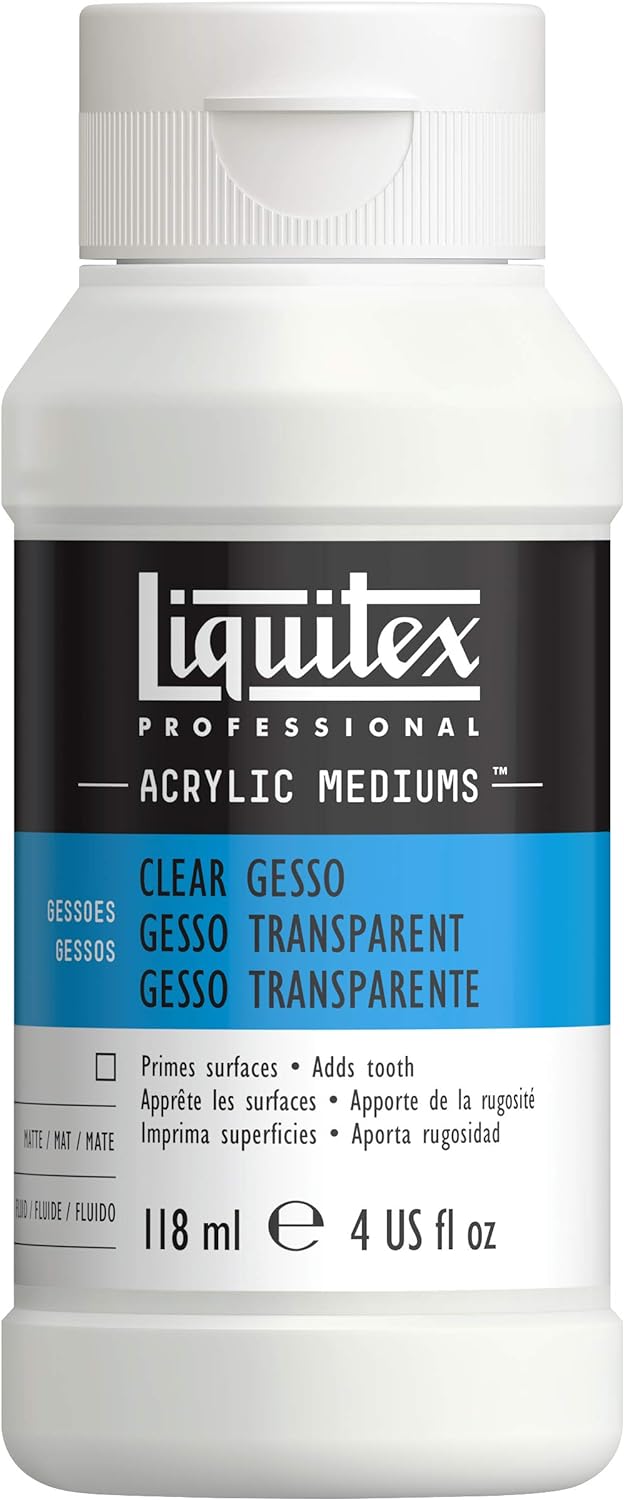 | Liquitex Professional Gesso Surface Prep Medium |
| BUY ON AMAZON |
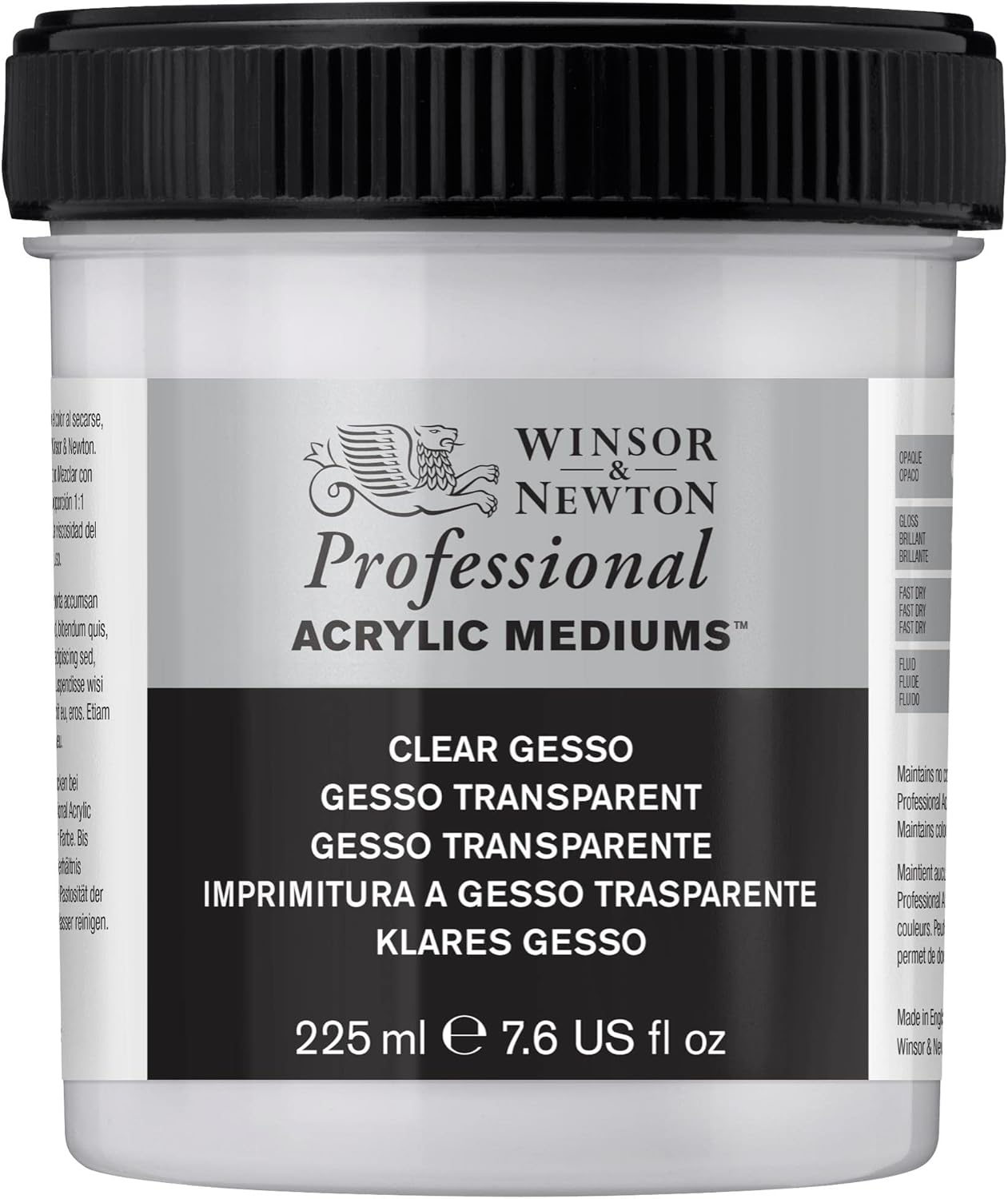 | Winsor & Newton Professional Acrylic Medium, Clear Gesso |
| BUY ON AMAZON |
Conclusion
The ideal number of gesso coats for acrylic painting depends on the surface’s absorbency and desired texture.
Typically, one to two coats suffice for primed surfaces, while unprimed surfaces require three coats.
Additional coats may be needed for textured or impasto effects.
Notably, 75% of artists use gesso as a primer, highlighting its importance in achieving a durable, non-porous surface.
You can optimize your creative process and produce high-quality artwork using Gesso, go for it.