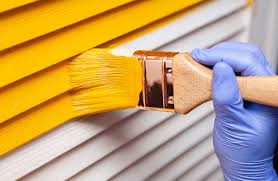
Is Enamel Paint Acrylic?
Enamel paint is one big contender to acrylic paint. It’s unique characteristics, such as its solvent-based system and alkyd resin binder, set it apart from acrylic paint.
However, the extent of these differences and their practical implications remain unclear.
In this blog, I will tell you all the nuances of enamel paint and the key distinctions between enamel and acrylic paint, and how do they impact their respective uses and applications?
Let’s get to it right a way!
Key Takeaways
- Enamel paint is not a type of acrylic paint, despite their similarities in application and finish.
- Enamel paint uses a solvent-based or oil-based formula, whereas acrylic paint uses water-soluble acrylic polymers.
- The binder systems in enamel and acrylic paints affect their durability, drying times, and resistance to environmental factors.
- Enamel paint is often preferred for industrial and decorative applications, while acrylic paint is commonly used for artistic purposes.
- While some enamel paints may contain acrylic polymers as additives, this does not make them acrylic paint.
Recommended for You: What Is Heavy Body Acrylic Paint?
What is Enamel Paint?
Enamel paint, often considered a versatile and durable finishing option, has been a staple in various artistic and industrial applications.
This type of paint is known for its oily, glossy finish and resistance to wear and tear, making it a popular choice for projects that require a high level of durability.
Enamel paint is typically made from a combination of resin, pigment, and solvent, which are mixed together to create a strong and flexible film.
Enamel paint can be applied using a variety of techniques, including brushing, spraying, and dipping, making it a versatile option for artists and manufacturers alike.
With its durability and versatility, enamel paint continues to be a popular choice for those seeking a high-quality finish.
Differences Between Acrylic Paint and Enamel Paint?
| Characteristics | Acrylic Paint | Enamel Paint |
|---|---|---|
| Drying Time | Fast-drying (15-30 minutes) | Slower-drying (1-3 days) |
| Finish | Matte, satin, glossy | Glossy |
| Durability | Water-resistant, but not waterproof | Waterproof and chip-resistant |
| Adhesion | Adheres well to most surfaces | Requires primer for best adhesion |
| Clean-up | Water-soluble, easy clean-up | Solvent-based, mineral spirits or turpentine for clean-up |
| Uses | Art, craft, and DIY projects | Furniture, appliances, and metal surfaces |
| Color Retention | Fades over time | Retains color well |
| Toxicity | Non-toxic, low odor | Toxic, strong fumes |
When evaluating the properties of enamel paint, a common point of comparison is its relationship to acrylic paint, a popular medium in its own right.
While both enamel and acrylic paint are versatile and widely used, they exhibit distinct differences with regard to their composition, application, and performance.
One key difference lies in their binder systems.
Acrylic paint uses water-soluble acrylic polymers as its binder, whereas enamel paint relies on a solvent-based system, often incorporating alkyds or other resins.
This variation affects the paints’ drying times, with acrylics typically drying faster than enamels.
Furthermore, the binder systems influence the paints’ durability and resistance to environmental factors, such as UV light and moisture.
In respect to application, acrylic paint is often preferred for artistic purposes due to its fast-drying properties and ease of clean-up.
Enamel paint, on the other hand, is commonly used for industrial and decorative applications, where its glossy finish and durability are highly valued.
These differences underscore the unique characteristics of each paint type, highlighting their suitability for specific uses and applications.
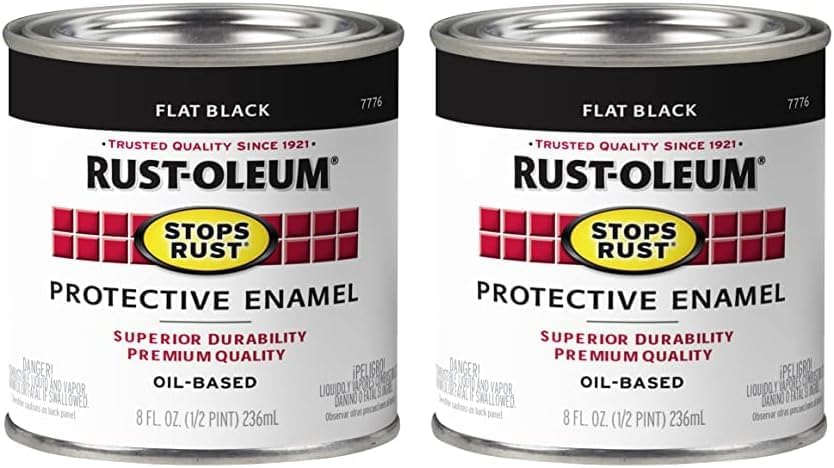
Best Enamel Paint: Rust-Oleum 280159-2PK Farm & Implement Enamel Paint
Is Enamel Paint Acrylic?
A common misconception surrounding enamel paint is that it is a type of acrylic paint. However, this is not entirely accurate.
While both enamel and acrylic paint are popular choices for various artistic and industrial applications, they have distinct differences with regard to their composition and properties.
Enamel paint is a type of paint that uses a solvent-based or oil-based formula, which hardens to form a durable, glossy finish. This is in contrast to acrylic paint, which is a water-based paint that uses a mixture of water, pigment, binder, and other additives to create a flexible, fast-drying film.
Enamel paint’s unique properties make it well-suited for applications where durability and chemical resistance are essential, such as in automotive and industrial coatings.
Acrylic paint on the other side is often used in artistic applications where flexibility and ease of clean-up are important.
While some enamel paints may contain acrylic polymers as additives, this does not make them acrylic paint.
How Can You Tell if Paint Is Enamel or Acrylic?
Given the distinct differences between enamel and acrylic paint, identifying the type of paint can be a straightforward process.
One of the primary methods of identification is by examining the paint’s label or packaging.
Enamel paint is often labeled as “enamel” or “alkyd enamel,” while acrylic paint is typically labeled as “acrylic” or “water-based acrylic.”
Furthermore, the ingredients list can provide valuable information, as enamel paint typically contains solvents such as mineral spirits or turpentine, whereas acrylic paint is usually water-based.
Another way to identify the type of paint is by its appearance and consistency. Enamel paint tends to have a smooth, glossy finish and a thick, syrupy consistency, while acrylic paint has a more matte finish and a thinner, more watery consistency.
When applying the paint, enamel paint typically takes longer to dry and has a strong, pungent odor, whereas acrylic paint dries quickly and has a mild, non-toxic smell.
Yeah, it is pretty easy to identify the differences.
Recommended Acrylic Paint Set: Nicpro 24 Colors Large Bulk Acrylic Paint Set (16.9 oz,500 ml)
Is Enamel Paint Waterproof?
When it comes to enamel paint, the answer to this question is yes, it is generally considered waterproof.
However, it is vital to note that its water resistance is largely dependent on the surface preparation and application of the paint.
A well-prepared surface, free from oils, dust, and moisture, will guarantee that the enamel paint adheres properly, leading to an increase in its water resistance.
Moreover, multiple coats of paint can enhance its water-repellent properties.
But, there is a downside- Enamel paint may not be suitable for surfaces that are constantly exposed to water or moisture, such as bathrooms or pools.
In these cases, a specialized waterproof coating may be necessary to provide maximum protection.
Is Enamel Paint Cheaper than Acrylic?
Enamel paints are more pricey than acrylics.
However, both types of paint have high-end and budget-friendly options available. The prices are largely dependent on the brand, quality, and intended use of the paint.
If you are making a comparison based on the most common uses, automotive and model , then acrylics are generally cheaper than enamel paints designed for the same applications.
Art-grade acrylic and heavy body acrylic paints tend to be more expensive due to the higher pigment load and increased lightfastness.
Enamel paints for decorative arts or craft purposes, on the other hand, are often less expensive.
A major factor contributing to the difference in prices is the binding agent and pigmentation quality used in each paint type.
To find the most affordable option for your needs, you need to compare the specific types and brands of paint.
Can Enamel Paint Be Mixed With Water?

While it is technically possible to thin enamel paint with water, it is not generally recommended, as it can compromise the paint’s quality and effectiveness.
Mixing enamel paint with water can substantially impact its application, durability, and overall performance.
Enamel paint is typically a solvent-based paint, and its chemical composition does not readily lend itself to being mixed with water.
Water can weaken the paint’s binder, leading to a loss of adhesion and reduced durability. Moreover, adding water can also cause the paint to become more prone to cracking and peeling.
However, if you do choose to thin your enamel paint with water, it is crucial to do so sparingly, as excessive water can dramatically alter the paint’s consistency and performance.
If you plan to use water to thin your enamel paint, consult the manufacturer’s instructions to verify the best possible results.
How Long Does Enamel Paint Last?
Mixing enamel paint with water can compromise its durability, which raises questions about the overall lifespan of the paint.
When used as intended, enamel paint can last for a significant amount of time. On average, enamel paint can last anywhere from 5 to 20 years if stored correctly and well sealed.
When applied , enamel paint on metal surfaces can last longer than on wood or fabric. Moreover, exposure to direct sunlight, moisture, and extreme temperatures can reduce the lifespan of the paint.
The lifespan of enamel paint can also be extended through proper application and maintenance.
Applying a primer before painting and using a clear coat to seal the paint can help protect it from fading and chipping.
Regular cleaning and touch-ups can also help maintain the paint’s appearance and extend its lifespan.
How to Use Enamel Paint?
Enamel paint’s versatility and durability make it a popular choice for various projects, from model cars to home decor.
When using enamel paint, preparation is key. Here’s how;
- Start by certifying your workspace is well-ventilated, as the fumes from enamel paint can be strong.
- Wear protective gloves, a mask, and safety goggles to avoid skin and eye irritation.
- Before applying the paint, make sure your surface is clean, dry, and free of dust.
- Use a primer if necessary to achieve the desired finish.
- When using a brush, choose a high-quality one with synthetic or natural fibers, as these will hold the paint better.
- When using an airbrush, make sure to thin the paint according to the manufacturer’s instructions.
- Apply thin coats, allowing each coat to dry before adding additional layers.
- Avoid overloading the brush or airbrush with paint, as this can lead to uneven coverage and drips.
Final Thoughts
Enamel paint’s solvent-based system and alkyd resins forge a durable, long-lasting bond, while acrylic paint’s water-soluble polymers yield a more flexible, water-friendly alternative.
You can experiment with both and see which one works for you.