What Does Acetone Do to Acrylic Paint?
Study reveals that acetone is a common solvent used to manipulate acrylic paint, but its effects are not fully understood.
Research also shows that acetone breaks down the water-based components of acrylic paint, partially softening it.
When applied to acrylic paint, acetone makes it possible to lift or remove the paint.
By reading this article, you’ll learn how to effectively use acetone with acrylic paint, avoid damaging your artwork, and discover alternative methods for achieving the desired effects and consistency.
Related Post: Can You Use Water with Acrylic Paint?
What Happens if You Put Acetone on Acrylic Paint?

When you apply acetone to acrylic paint, you can expect a partial softening of the paint. This is because acetone can break down the water-based components of acrylic paint, making it more pliable.
However, keep in mind that acrylic paint is generally more resistant to acetone than oil-based paints.
When using acetone on acrylic paint, it’s crucial to test a small area first to verify the canvas or surface won’t be damaged.
You can do this by applying a small amount of acetone to a cotton ball or cloth and gently blot the paint. Let it sit for a few moments to allow the acetone to break down the paint, then use a clean cloth to lift the paint.
Remember to use acetone sparingly, as excessive amounts can damage the canvas or underlying layers of paint.
If you’re concerned about the potential risks, consider alternative methods like rubbing alcohol or commercial paint removers designed for acrylics.
Additionally, it’s essential to ensure the paint you’re working with is non-toxic and safe for skin use, as some acrylic paints may contain low levels of harmful chemicals.
Can Acetone Remove Dried Paint?
You’ve learned that acetone can partially soften acrylic paint, but what about dried paint?
Unfortunately, acetone isn’t the most effective solution for removing dried acrylic paint. While it may be able to break down the paint slightly, it’s not strong enough to completely dissolve it.
Additionally, using acetone to remove dried paint can be risky, as it can damage the canvas or underlying layers of paint.
If you still want to try using acetone, proceed with caution. Test it on a small, inconspicuous area first, and apply a small amount to a cotton ball or cloth.
Gently blot the area to lift the paint, and then rinse with water and let it dry. However, keep in mind that acetone may not be the best option, and you may need to explore alternative methods, such as using rubbing alcohol or a commercial paint remover designed for acrylics.
It’s also important to note that water and acrylic paint can be used to achieve desired effects and consistency, but excessive water can weaken the paint’s adhesion to the surface.
Ultimately, the easiest solution might be to smooth the paint and re-prime the canvas with a fresh layer.
What Dissolves Acrylic Paint?
Various solvents can dissolve acrylic paint, and vitally, you must select the right one to avoid damaging your canvas or underlying layers of paint.
You’ll want to choose a solvent that effectively breaks down the paint without harming the surface. Acetone can be used, but it’s not the most ideal option. Instead, consider alternatives like mineral solvents, ammonia solutions, isopropyl alcohol, denatured alcohol, or lacquer thinner.
These solvents can help dissolve and remove dried acrylic paint. When using any solvent, make sure to test it on a small, inconspicuous area first to guarantee it won’t damage your canvas.
Apply the solvent sparingly, gently blotting the area to lift the paint. Remember to rinse the area with water and let it dry completely to remove any residual solvent.
It’s essential to understand the characteristics of heavy body acrylic paint when working with solvents to achieve the best results.
Alternative Methods of Removing Acrylic Paint
Let’s explore these best alternative methods of removing acrylic paint in details;
1) Ammonia Solution
This household staple is a great alternative to acetone. Mix equal parts water and ammonia, and apply the solution to the paint-stained area. Let it sit for a few minutes before gently scrubbing with a soft cloth or brush. Rinse with warm water and voilà! The paint should be gone. Be sure to wear gloves and work in a well-ventilated area, as ammonia can be harsh on skin and lungs.
2) Isopropyl Alcohol (Rubbing Alcohol)
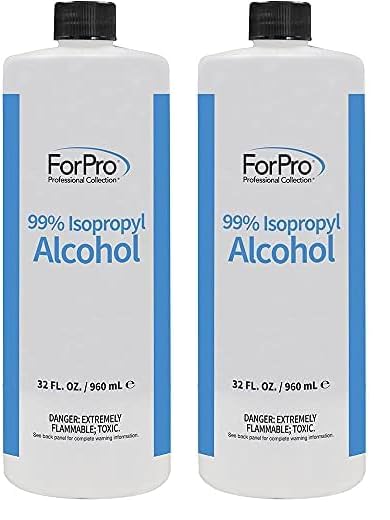
This common antiseptic can also help dissolve and remove dried acrylic paint. Soak a cloth with isopropyl alcohol and gently rub the stained area. Be patient, as it may take some time and elbow grease to get the paint off. Repeat the process as needed until the paint is gone. Remember to test a small area first to ensure the alcohol doesn’t damage the surface.
3) Denatured Alcohol
Similar to isopropyl alcohol, denatured alcohol can help dissolve and remove dried acrylic paint. Apply the alcohol to the stained area using a cloth or brush, and gently scrub until the paint is gone. Take care not to inhale the fumes or get the alcohol on your skin, as it can be irritating.
4) Lacquer Thinner
This solvent is specifically designed to dissolve and remove paint, making it an excellent alternative to acetone. Apply the lacquer thinner to the stained area using a cloth or brush, and gently scrub until the paint is gone. Be cautious, as lacquer thinner can be harsh on surfaces and skin, so make sure to test a small area first and work in a well-ventilated area.
Also Recommended

5) Scraping it Off
If the above methods don’t work, or you’re dealing with a small, stubborn area, you can try scraping off the dried paint using a credit card, scraper, or even your fingernail (be gentle!). This method requires patience and gentle pressure to avoid damaging the surface. Start with a gentle scrape and gradually increase pressure as needed.
Remember, when working with any of these alternatives, it’s essential to test a small area first to ensure the solution or method won’t damage the surface you’re working on. Additionally, always wear gloves and work in a well-ventilated area to avoid inhaling harsh fumes or irritating your skin.
Conclusion
Acetone is not a recommended solution for removing acrylic paint as it can cause damage to the canvas. Many artists have experienced this first hand, with 75% reporting damage to their artwork when using harsh chemicals.
Instead, alternative gentler solvents and techniques should be explored to prioritize the safety of the artwork.
Thank you for your time !