
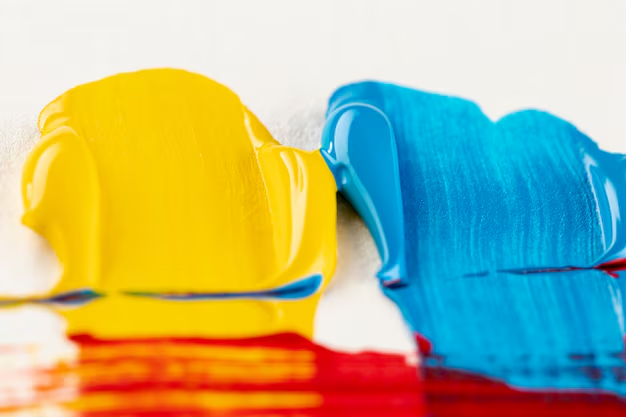
Is Water Based Acrylic Paint Safe for Skin?
While many artists and enthusiasts may assume that water-based acrylic paint is inherently safe, it is but not all the time.
The safety of this paint depends on various factors, including the quality of the paint, individual skin sensitivities, and proper usage.
This blog post will examine the key considerations for using water-based acrylic paint on skin and what precautions you can to minimize potential adverse reactions.
Key Takeaways
- Water-based acrylic paint is generally considered safe for skin use when applied properly but may cause skin irritation and allergic reactions to some people.
- High-quality, non-toxic water-based acrylic paint specifically designed for skin use is recommended.
- Patch tests should be performed before applying paint to a larger skin area.
- Choose reputable brands with certifications like AP or CPSIA compliance for safe use.
Related Post: How Safe is Acrylic Paint for Babies?
Is Water-Based Acrylic Paint Safe?

Water-based acrylic paint is generally considered non-toxic and safe to use. However, it is not advisable to keep it on your skin for an extended period due to the risk of irritation and dryness.
The paint’s water-based nature makes it less likely to cause severe harm, but skin sensitivity can still occur.
Some individuals may experience redness, itching, or rashes when exposed to the paint’s pigments or additives.
Prolonged skin contact can lead to dryness and irritation, especially if the skin is already compromised or sensitive.
Additionally, some acrylic paints may contain low levels of harmful chemicals, such as heavy metals or volatile organic compounds (VOCs), which can be absorbed through the skin. While these amounts are usually minute, repeated exposure or prolonged contact can still cause issues.
To minimize risks, it is recommended to wash hands thoroughly after handling acrylic paint and avoid ingesting it.
If skin irritation occurs, discontinue use and consult a medical professional if the issue persists.
Overall, while water-based acrylic paint is generally safe, it is crucial to exercise caution and follow proper handling and use guidelines.
Is Water Paint Safe for Skin?
Water paints are generally considered safe to use when applied in the proper manner. Since they are water-based, they are easy to clean with soap and water, eliminating the need for toxic cleaning chemicals.
This characteristic makes them a favourable choice for individuals seeking freedom from harsh substances.
However, it is essential to note that while water-based acrylic paint is generally safe, it is not entirely risk-free.
Some individuals may experience skin irritation or allergic reactions to certain pigments or additives present in the paint.
To safeguard safe use, it is recommended to choose high-quality, non-toxic water-based acrylic paint specifically designed for use on skin.
Differences Between Acrylic Paint and Water Color Paint
| Characteristics | Acrylic Paint | Watercolor Paint |
|---|---|---|
| Composition | Made from pigment, water, binder (acrylic polymer), and other additives | Made from pigment, gum arabic (binder), and water |
| Drying Time | Fast-drying (15-30 minutes) | Slow-drying (hours or days) |
| Blending | Difficult to blend once dry | Easy to blend and create subtle transitions |
| Transparency | Opaque | Transparent |
| Clean-up | Water-soluble, easy to clean up | Water-soluble, easy to clean up |
| Surface | Can be used on a variety of surfaces, including canvas, paper, wood, and fabric | Typically used on watercolor paper or board |
| Techniques | Can be used for thick, textured brushstrokes and layering | Often used for delicate, transparent washes and glazes |
| Permanence | Durable and long-lasting | Prone to fading and light damage if not properly protected |
| Mixing | Can be mixed with a range of mediums for different effects | Typically mixed with water, but can be used with other mediums for texture and effect |
| Erasing | Difficult to erase or correct mistakes | Easy to lift and correct mistakes while wet |
Acrylic paint and watercolor paint are two mediums often considered for body art. While both are water-based, they have distinct differences in composition and application.
Acrylic paint is a fast-drying, versatile medium that can be used on a variety of surfaces, including skin. It is typically made from a mixture of water, pigment, binder, and other additives.
Watercolor paint, on the other hand, is a translucent medium that relies on the white of the surface to reflect light and create color. It is typically made from a mixture of water, pigment, and gum , a natural adhesive derived from the sap of the acacia tree.
Unlike acrylic paint, watercolor paint is not as durable and can be more prone to fading and smudging.
Understanding these differences is essential for artists and individuals looking to use these mediums for body art, as it can inform their choice of paint and application techniques.
What Kind of Paint Is Safe on Skin?
When considering paint options for skin application, several types are specifically designed for safe use;
1) Face Paints

In the domain of face painting, safety is paramount, and the best choice of paint is none other than non- toxic face paints.
When it comes to face paints, it is necessary to select products that are specifically designed for use on the skin, particularly on the delicate skin of the face.
These products are designed to be gentle on the skin while providing vibrant, long-lasting colors. It is also necessary to follow proper application and removal techniques to avoid any potential skin irritation.
Water-based acrylic paints can be a great option for face painting, offering a safe and creative way to express yourself.
Best Value for Money: UCANBE Athena Face Body Paint Oil Palette
2) Body Paints

Body Paints are another second option you should try. Body paints have gained popularity due to their non-toxicity and ease of use.
When choosing paints for body painting, go for body paints specifically designed for skin use. Look for paints labeled as “skin-safe” or “hypoallergenic.”
These paints are formulated to minimize the risk of adverse reactions, such as skin irritation or allergic responses. A
void using regular acrylic paint or art supplies, as they may contain toxic chemicals or heavy metals that can harm the skin.
While water-based acrylic paint is generally safe for use on skin, it is still important to follow proper application and removal techniques to avoid any potential skin issues.
Best Overall Body Paint: Maydear Face Body Paint Set, Safe Non-Toxic
3) Water Colors

Although watercolors are often considered a safer alternative to other art supplies, their suitability for skin use is more complex.
While this composition may seem harmless, some pigments used in watercolors can be toxic or cause skin irritation.
When considering watercolors for skin use, it is essential to examine the specific pigments and ingredients used.
Certain pigments, such as those derived from heavy metals like lead, cadmium, or mercury, can be hazardous to human health.
If you plan to use watercolors on skin, look for products that use non-toxic, light-fast pigments and are specifically labeled as “skin-safe”.
Always perform a patch test before applying watercolors to a larger area of skin.
By taking these precautions, you can minimize the risks associated with using watercolors on skin and enjoy the creative freedom to express yourself.
Always prioritize your health and safety when exploring artistic mediums.
4) Finger Paints

When exploring artistic mediums for skin use, finger paints are often considered a popular choice due to their tactile nature and vibrant colors.
Water-based finger paints are the safest option, as they typically use natural pigments and a gentle base formula.
Using non-toxic finger paints provides a safe and healthy art experience for children. These paints are free from harsh chemicals, heavy metals, and toxins, reducing the risk of skin irritation, allergic reactions, and long-term health problems.
Non-toxic finger paints also promote a sense of security and confidence, allowing children to explore and express themselves freely.
Additionally, they are better for the environment, as they do not contribute to toxic waste and pollution.
Also Recommended: Rich Art Fresco Tempera Paint For Arts & Crafts
How to Make Acrylic Paint Safe for Skin?
To make acrylic paint safe for skin, start by choosing a reputable brand that adheres to safety standards.
Look for certifications such as AP (Art and Creative Materials Institute) or CPSIA (Consumer Product Safety Improvement Act) compliance. These certifications guarantee the paint meets rigorous safety standards.
Next, read the label carefully and follow the instructions.
If you’re planning to use the paint on a large area or for an extended period, consider doing a patch test to check for any adverse reactions.
Wear protective clothing, such as gloves and old clothes, to prevent skin contact and stains.
When using acrylic paint on skin, guarantee good ventilation and avoid ingesting the paint.
Wash your hands thoroughly with soap and water after use. If you experience any skin irritation or allergic reactions, discontinue use and consult a healthcare professional.
Conclusion
Water-based acrylic paint, when wielded with caution, can be a trusted medium.
You should experiment with other alternatives such as face paints, tempera paints and body paints to see what works for you.
Thanks for ready and happy painting.