Can Acrylic Paint Be Used on Fabric?
When exploring the world of fabric art, you might wonder: can one use acrylic paint on fabric?
You may. But what exactly does that entail, and which fabrics work best with acrylic paint?
Key Takeaways
- While normal acrylic paint can be used on fabric, it’s not recommended due to its thickness, which can cause flaking and stiffness.
- Fabric paint, specifically designed for fabric, guarantees flexibility and comfort, and is formulated to be flexible and soft.
- Adding fabric medium to acrylic paint creates a more flexible and durable finish, reducing the likelihood of flaking and stiffness.
Recommended Posts
- Proven Methods to Get Acrylic Paint out of Carpet?
- 15 Best Green Acrylic Paints for Artists, Tested & Reviewed
- 10 Best Neon Acrylic Paints
- Is Craft Smart Acrylic Paint Good?
Can I Use Normal Acrylic Paint on Fabric?
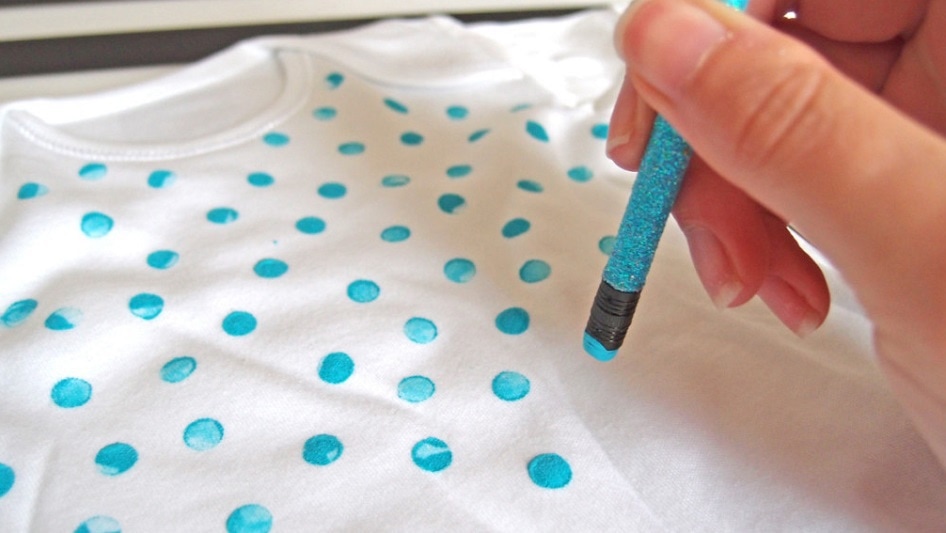
While it’s technically possible to use normal acrylic paint on fabric, it’s not the best choice, as it’s much thicker than fabric paint, which can cause flaking and stiffness in the fabric.
You might be tempted to grab that tube of acrylic paint you have lying around, but trust me, it’s worth investing in fabric-specific paint.
When using normal acrylic paint, you’ll notice that it can flake off easily, making your beautiful design look worn and old quickly.
Additionally, the stiffness it causes can make your fabric uncomfortable to wear. You want your creations to bring joy to those who wear them, not discomfort.
If you still want to use acrylic paint, make sure to wash and dry your fabric before painting, and heat-set the paint after it’s dry.
For the best results, opt for acrylic paint specifically designed for use on fabric surfaces. I recommend Nicpro 14 Colors Large Bulk Acrylic Paint Set.
What Is the Difference Between Fabric Paint and Acrylic Paint?
You’ll notice a significant difference in performance between fabric paint and acrylic paint when using them on fabric, mainly due to their distinct formulations.
Fabric paint is specifically designed for use on fabric, whereas acrylic paint is meant for canvas or paper and other surfaces such as metal, plastic, ceramics etc.
The key difference lies in their thickness and flexibility. Acrylic paint is much thicker, which can cause flaking and stiffness in the fabric, making it uncomfortable to wear.
On the other hand, fabric paint is formulated to be flexible and soft, allowing it to move with the fabric without cracking or flaking.
When using acrylic paint on fabric, you may need to add a fabric medium to improve its flexibility and prevent stiffness. This medium helps the paint stretch with the fabric, reducing the risk of cracking.
In contrast, fabric paint is already formulated to be flexible, eliminating the need for additional mediums.
What Kind of Paint Can I Use on Fabric?
Your fabric project can thrive with the right type of paint, and acrylic fabric paint is usually the best choice.
This type of paint is specifically designed for use on fabric, making it the ideal option for your project. FolkArt Brush on Fabric Acrylic Paint Beginner Set is a good place to start.
In contrast, acrylic fabric paint is thinner and more flexible, making it perfect for fabric projects. It’s formulated to work well with fabric, guaranteeing a smooth, even finish.
Best Value for Money: Permanent Fabric Paint for Clothes 24 Colors Bulk Kit
What Fabric Works Best With Acrylic Paint?
Cotton, linen, silk , suede, leather , velvet, velveteen, corduroy and rayon fabrics work beautifully with acrylic paint, as their natural fibers allow for a strong bond between the paint and fabric.
These fabrics are ideal for creating unique and personalized items, such as handmade gifts or customized clothing.
You’ll find that the paint adheres well to these fabrics, resulting in vibrant and long-lasting colors.
When working with acrylic paint on fabric, you’ll want to choose fabrics that are breathable and have a natural texture.
Synthetic fabrics, like polyester or nylon, may not work as well, as they can be prone to flaking or peeling.
If you’re looking to create a specific texture or effect, you may want to experiment with different fabric blends.
For example, a cotton-poly blend can add a bit of stretch to your fabric, while a linen-rayon blend can create a unique, earthy texture.
Regardless of the fabric you choose, make sure to follow proper preparation and heat-setting techniques to guarantee your design lasts for years to come.
How to Apply Acrylic Paint on Fabric?

Now that you’ve selected the perfect fabric, it’s time to apply the acrylic paint.
Before you start painting ;
- Wash and dry your fabric to make it clean and free of any finishes that might affect the paint.
- Once you’ve prepped your fabric, you can start painting!
- Use acrylic fabric paint or mix your acrylic paint with a fabric medium to make it more flexible.
- Apply the paint using your preferred technique, whether it’s brushing, stamping, or stenciling.
- After the paint is completely dry – at least 24 hours – it’s time to heat set it. Use an iron on medium or high heat for 3-5 minutes to make the paint permanent and washable.
- This step is vital to prevent your design from flaking off after washing.
- Finally, remember to hand-wash or machine-wash your fabric inside-out on a gentle cycle to preserve your artwork.
How Do You Keep Acrylic Paint From Cracking on Fabric?
When working with acrylic paint on fabric, you’ll want to take steps to prevent cracking and guarantee your design lasts. To do so, you’ll need to incorporate a few key techniques into your process.
1)Use Fabric medium
To prevent acrylic paint from cracking on fabric, you can add a fabric medium to your paint, which helps to create a flexible, durable bond between the paint and the fabric.
I prefer the Mont Marte Fabric Paint Medium Premium, this medium allows the paint to stretch with the fabric, reducing the likelihood of cracks and flaking.
When using a fabric medium, you’ll notice a significant difference in the paint’s texture and flexibility.
The medium helps to thin out the thick, heavy consistency of acrylic paint, making it more suitable for fabric.
This is especially important when working with stretchy fabrics like cotton, polyester, or blends.
2) Heat- Setting
By applying heat to your painted fabric, you’ll create a permanent bond between the paint and fabric, ensuring your artwork remains vibrant and intact.
This process, called heat-setting, is essential to prevent the paint from cracking or flaking off over time.
To heat-set your fabric, use a hot iron on medium to high heat for 3-5 minutes. This will react with the fabric medium and acrylic paint to set the painting onto your fabric.
Make sure the paint is completely dry, at least 24 hours after application, before heat-setting.
3) Hand Wash
After heat-setting your painted fabric, you’ll want to handle its care with gentle hands to prevent cracking, which means hand-washing it inside-out in cold water is the way to go.
This will help maintain the flexibility of the fabric and prevent the paint from flaking or cracking. When hand-washing, avoid using harsh detergents or bleach, as these can damage the paint and fabric.
Instead, opt for a mild detergent that’s specifically designed for washing delicate or hand-painted items.
When washing, gently swish the fabric around in cold water, working from the top down.
Avoid wringing or twisting the fabric, as this can cause stretching or distortion. Once washed, gently remove excess water without wringing or squeezing the fabric.
You can then lay the fabric flat to air-dry or tumble-dry on a low heat setting.
How to Make Acrylic Paint Soft on Fabric?
You can make acrylic paint soft on fabric by incorporating a fabric medium into your paint mixture.
Medium helps the paint become more flexible, allowing it to stretch without breaking or flaking off.
When you mix the fabric medium with your acrylic paint, it creates a softer, more pliable finish that’s comfortable to wear.
To get the best results, make sure to follow the instructions on the fabric medium packaging for the correct ratio of medium to paint.
Generally, you’ll want to mix one part fabric medium with two parts acrylic paint. Once you’ve mixed your paint, apply it to your fabric as desired.
After the paint is dry, heat-set it using an iron on medium or high heat for 3-5 minutes.
This step is essential for making the paint permanent and washable
Will Acrylic Paint Wash off Fabric? And How?
Since you’ve successfully made your acrylic paint design on fabric, you’re probably wondering if it’ll survive the washing machine. The good news is that with proper preparation and care, your design can withstand washing.
When washing, hand-wash or machine-wash on a gentle cycle, inside-out, to preserve your painting. This will help prevent excessive friction that can cause the paint to flake off.
To confirm that your design remains intact, heat setting the paint is necessary.
If you do accidentally get paint on clothing, don’t worry! Isopropyl alcohol is the best choice for removing dried acrylic paint.
Is Acrylic Paint Waterproof on Fabric?
You want to guarantee that your hard work won’t fade or wash away with the first raindrop.
Acrylic paint, even when heat-set, isn’t entirely waterproof on fabric.
While it’s water-resistant to some extent, it’s not a guarantee against water damage. If you plan to use the fabric in an environment where it’ll be exposed to heavy moisture, you might want to ponder using a waterproofing spray or treatment to add an extra layer of protection.
However, if you’ve used acrylic fabric paint specifically designed for fabric, the result will be more resistant to water and moisture.
These paints are formulated to bond with fabric fibers, making them more durable and less prone to fading.
Still, it’s imperative to follow the manufacturer’s instructions for washing and drying to guarantee the paint stays vibrant and intact.
How to Seal Acrylic Paint on Fabric?
To guarantee the longevity of your artwork, sealing acrylic paint on fabric is a vital step that requires careful consideration of the methods and materials used. Here’s how;
- After painting, allow the fabric to dry completely, which can take at least 24 hours.
- Once dry, heat-set the paint using an iron on medium or high heat for 3-5 minutes.
- This step is essential for permanency and washability.
- If you’ve used fabric medium, heat-setting makes the paint permanent and reacts with the medium to ‘set’ the painting onto your fabric.
- After sealing, you can hand-wash or machine-wash your fabric on a gentle cycle, inside-out, to preserve the painting.
How Do You Make Acrylic Paint Better for Fabric?
By adding fabric medium to your acrylic paint, you can create a more flexible and durable finish on your fabric, reducing the likelihood of flaking and stiffness.
This is especially important since acrylic paint can be quite thick, leading to an uncomfortable stiffness on the fabric.
When you mix fabric medium with acrylic paint, you’ll get a more pliable and comfortable finish that’s perfect for clothing, accessories, or home decor.
To get started:
- Simply mix the fabric medium according to the manufacturer’s instructions and then add it to your acrylic paint.
- You can adjust the ratio of paint to medium depending on the desired consistency and flexibility.
- Once you’ve mixed the paint and medium, you can apply it to your fabric using your preferred technique, such as brushing, stamping, or stenciling.
Conclusion
Now, you might be thinking, ‘But what if I’ve already invested in a bunch of normal acrylic paints?’ Don’t worry, you can still use them! Just mix them with a fabric medium, and you’re good to go.
With the right techniques and materials, you can create stunning, washable designs on your favorite fabrics.
So, go ahead, get creative, and make those fabric projects a reality!