
Can You Mix Acrylic Paint With Chalk Paint?
Acrylic paint is known for its versatility and vibrant colors while chalk paint is recognized for its unique texture and matte finish. These two may seem like an unlikely pairing.
But, what exactly happens when you mix acrylic paint with chalk paint, and how can you achieve the desired result?
Before attempting to mix these two paints, it is essential to understand their individual characteristics and the potential outcomes of combining them.
You Might Also Like: How to Hydro Dip With Acrylic Paint?
Key Takeaways
- Mixing acrylic paint with chalk paint is possible, but compatibility depends on specific brands and types used.
- Start with a small amount of chalk paint and gradually add acrylic paint, mixing thoroughly with a palette knife or mixing tool.
- A general starting point for the ratio of acrylic to chalk paint is 1:1 or 2:1, favouring chalk paint.
- You should test the mixture on a small, inconspicuous area is vital before applying it to the final surface.
Can You Mix Acrylic Paint With Chalk Paint?
Mixing acrylic paint with chalk paint can be a viable option, but it’s pivotal to weigh the characteristics of each medium.
Acrylic paint is a fast-drying, water-soluble medium that adheres well to various surfaces, while chalk paint is a water-based, low-VOC (volatile organic compound) paint that is often used for furniture and decorative items.
Generally, it’s recommended to mix acrylic paint with chalk paint in a ratio that favours the chalk paint. This is because chalk paint is typically more porous and may not provide a strong enough bond for the acrylic paint.
However, some artists have successfully mixed the two mediums to create unique textures and effects.
Test the mixture on a small, inconspicuous area before applying it to the final surface.
Fun Fact: According to the Paint and Decorating Retailers Association, the global paint market is projected to reach $184.4 billion by 2025, with the demand for eco-friendly and sustainable paints, such as chalk paint, driving growth
Properties of Acrylic paints

Acrylic paint is a versatile artistic medium characterized by its fast-drying nature, vibrant colors, and water-soluble properties.
It allows for rapid layering and texture build-up, making it ideal for expressive and dynamic artworks.
Additionally, acrylic paint is highly pigmented, resulting in rich colors that retain their intensity when mixed with other mediums.
Its water-soluble properties make it easy to clean up and mix with water to achieve desired consistencies.
Once dry, acrylic paint becomes water-resistant, ensuring that the artwork remains durable and long-lasting.
The flexibility of acrylic paint allows it to be used on a wide range of surfaces, from canvas and paper to wood and fabric.
Its adhesive properties enable it to bond well with various materials, making it suitable for mixed-media and collage techniques.
Properties of Chalk Paints
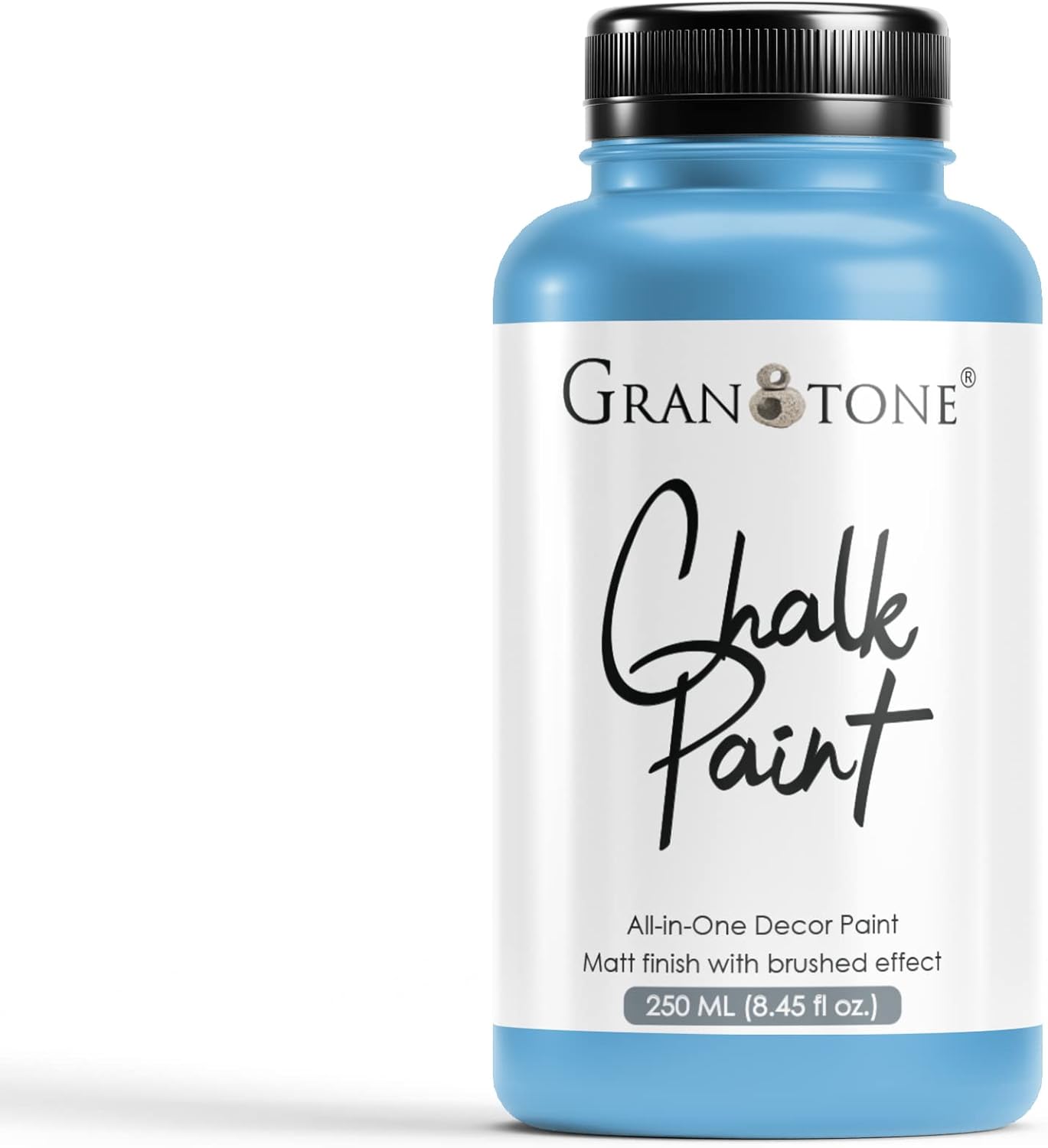
Chalk paint, a type of decorative paint, boasts a distinct set of characteristics that set it apart from other artistic mediums.
One of its primary properties is its water-based composition, which makes it a low-VOC (volatile organic compound) option.
This eco-friendly aspect appeals to artists and DIY enthusiasts who value environmental sustainability.
Chalk paint is also known for its matte finish, which provides a soft, subtle appearance that can add warmth and character to any surface.
Another notable property of chalk paint is its ability to adhere to a wide range of surfaces, including wood, metal, and even fabric.
Furthermore, chalk paint is often used to create a distressed or vintage look, as it can be easily sanded and layered to achieve a unique, textured finish.
With its ease of use and flexibility, chalk paint has become a popular choice among artists and crafters who value creative freedom and experimentation.
Its unique properties make it an excellent medium for achieving a distinctive, one-of-a-kind look.
Do I Need Primer With Chalk Paint?
You do need a primer for chalk paint. However, Some chalk paints come with a built-in primer, which can simplify the process.
Applying a primer can significantly improve the adhesion and durability of the paint.
Not all surfaces require a primer, but if you’re working with a surface that has a smooth, non-porous finish, such as previously painted wood or metal, you may be able to skip the primer.
Also, if you’re working with a porous surface like raw wood, MDF, or laminate, a primer is essential to guarantee a strong bond and even coverage.
I advice you to always read the manufacturer’s instructions to determine if a separate primer is required.
By taking the time to properly prepare your surface, you can enjoy a durable and long-lasting finish that showcases the full potential of your chalk paint.
How Do You Seal Chalk Paint on Acrylic?
Achieving a durable finish on acrylic surfaces coated with chalk paint requires a reliable sealing method. Here’s how you can seal chalk paint on acrylic;
- Prepare the surface:
- Ensure the acrylic surface is clean, dry, and free of dust, oils, or wax.
- If necessary, lightly sand the surface to create a smooth finish.
- Apply chalk paint:
- Use a high-quality chalk paint specifically designed for use on acrylic surfaces.
- Follow the manufacturer’s instructions for application, usually 1-2 coats with light sanding in between.
- Allow the paint to cure:
- Let the paint dry completely according to the manufacturer’s instructions, typically 24-48 hours.
- Choose a sealant:
- Select a clear, water-based or solvent-based acrylic sealant (varnish or polyurethane) compatible with chalk paint and acrylic surfaces. I recommend Krylon K04217000-13 Chalky Finish Half-Quart.
- Consider a matte, satin, or gloss finish depending on the desired appearance.
- Apply the sealant:
- Use a high-quality, lint-free cloth or foam brush to apply a thin, even coat to the painted surface.
- Work in small sections to maintain even coverage and avoid pooling.
- Allow the sealant to dry:
- After applying, allow the sealant to dry typically 15-30 minutes.
- Apply additional coats (optional):
- If desired, repeat steps 5 and 6 to achieve the desired level of protection and finish.
- Final inspection and touch-ups:
- Inspect the surface for any imperfections or areas that may require additional sealing.
- Address any issues promptly to ensure a professional finish.
Remember to always follow the manufacturer’s instructions for the specific products used, and take necessary safety precautions when working with art supplies.
How to Mix Acrylic Paint with Chalk Paint?
Combining acrylic paint with chalk paint can be a great way to achieve unique textures and finishes in various artistic projects. When mixing these two paints, it’s essential to understand their properties and how they interact;
- Start by cleaning your workspace and gathering the necessary materials, including acrylic paint, chalk paint, a mixing surface, and a palette knife or mixing tool.
- Begin by applying a small amount of chalk paint to your mixing surface.
- Gradually add acrylic paint to the chalk paint, mixing thoroughly with a palette knife or mixing tool.
- The ratio of acrylic to chalk paint can vary depending on the desired consistency and finish. A general starting point is a 1:1 or 2:1 ratio of chalk paint to acrylic paint.
- Mix the paints until they’re well combined and the desired consistency is achieved.
- Be cautious not to overmix, as this can lead to an uneven texture.
- The resulting mixture can be applied to various surfaces, including wood, fabric, paper, and fabric, to create unique and eye-catching effects.
Tips for working with Acrylic Chalk Paint
Working with acrylic chalk paint requires attention to detail and an understanding of its unique characteristics.
One of the primary tips is to use the correct primer.
Apply a universal primer that caters to the material and ensure that it dries properly to maintain durability and maintain smooth painting results.
It’s also crucial to select the right tools, as brushes can impact the paint’s performance and final look.
Consider using soft, natural hairbrushes, or opt for high-quality synthetic brushes for smoother application.
Keep your work environment dust-free to minimize particle attachment, ensuring your painted finish looks uniform.
Final Thoughts
Mixing acrylic paint with chalk paint can create a unique, textured effect that you can enjoy once you test them both.
Happy painting and thanks for your time.