How to Thin Acrylic Paint? For Complete Newbies!
A study by the Golden Artist Colors found that 80% of artists struggle with achieving the perfect consistency in acrylic paint, leading to frustration and wasted materials.
To thin acrylic paint, simply add a small amount of thinner, such as water or acrylic paint thinner, to the paint and mix well.
Today, by reading this article, you will learn the techniques and ratios to achieve the perfect flow without compromising quality, and discover the secrets to revealing the perfect consistency for your project.
Also Recommended Posts
Can Acrylic Paint Be Thinned?
Can you thin acrylic paint? Yes, you can thin acrylic paint, but it’s vital to understand why and how to do it correctly.
Acrylic paint is a versatile medium that can be used for a variety of techniques, from thick, impasto textures to smooth, watery effects. However, when you need to achieve a specific consistency or flow, a thinner comes in handy.
When you’re working with acrylic paint, you might notice it’s too thick for your brush or pouring technique. This is where a thinner saves the day.
By adding a small amount of thinner to your paint, you can achieve the desired consistency without affecting the paint’s color or vibrancy.
Additionally, experimenting with different water-to-paint ratios will help you achieve the desired consistency and effect.
Best Thinners for Acrylic Paint
When you’re looking to thin your acrylic paint, you’ll want to choose a thinner that’s effective and safe to use. You’ve got a few options, each with its own strengths and weaknesses. Additionally, it’s essential to ensure the thinner you choose is non-toxic and skin-safe to avoid any adverse reactions or skin irritation. So without further a do, here are the best thinners for acrylic paint;
1)Water
Most artists have water as their go-to thinner for acrylic paint, and for good reason.
Water is an excellent choice because it’s easily accessible, inexpensive, and environmentally friendly. When you add water to your acrylic paint, it helps to break down the pigments, making the paint flow more smoothly and evenly.
This is especially useful when you’re working on a project that requires subtle, delicate strokes.
When thinning with water, start by adding small amounts (about 10% to 20%) to your paint. Mix well and test the consistency on a palette or scrap paper.
You can always add more water, but it’s harder to take it away once it’s been added. Be cautious not to add too much water, as this can cause the paint to become too watery and lose its vibrancy.
2)Denatured Alcohol
Denatured Alcohol is a popular thinner for acrylic paint, offering an alternative to water with distinct benefits.
You’ll find it’s particularly useful when you need to achieve a specific consistency or texture in your artwork. For instance, Denatured alcohol helps to create a more even flow and blending of colors, which can be especially important when working with bold, bright hues.
It also allows for faster drying times, which can be a game-changer if you’re working on a project with a tight deadline.
When using denatured alcohol, you’ll want to mix it with your acrylic paint in small increments, as it can quickly become too thin. Start with a 1:1 ratio and adjust to your liking. Keep in mind that denatured alcohol can be quite potent, so be sure to work in a well-ventilated area and avoid inhaling the fumes.
3)Acrylic Paint Thinner
Your search for the best acrylic paint thinner ends here. You’ve got options, and we’re about to break them down for you.
Acrylic paint thinners are specifically designed to thin your paint without affecting its quality or color. They’re usually water-based, non-toxic, and biodegradable, making them a great choice for artists.
You can choose from a variety of brands, such as Golden, Liquitex, or Daler-Rowney.
These thinners are formulated to work seamlessly with acrylic paint, ensuring your artwork looks professional and vibrant. They’re also great for cleaning your brushes and palette.
When selecting an acrylic paint thinner, consider the ratio of paint to thinner. Some thinners are designed for a 1:1 ratio, while others can be mixed at a 1:3 or 1:5 ratio.
Always read the instructions and follow the recommended mixing ratio to achieve the desired consistency. With the right acrylic paint thinner, you’ll be able to create smooth, even strokes and achieve the perfect finish for your artwork.
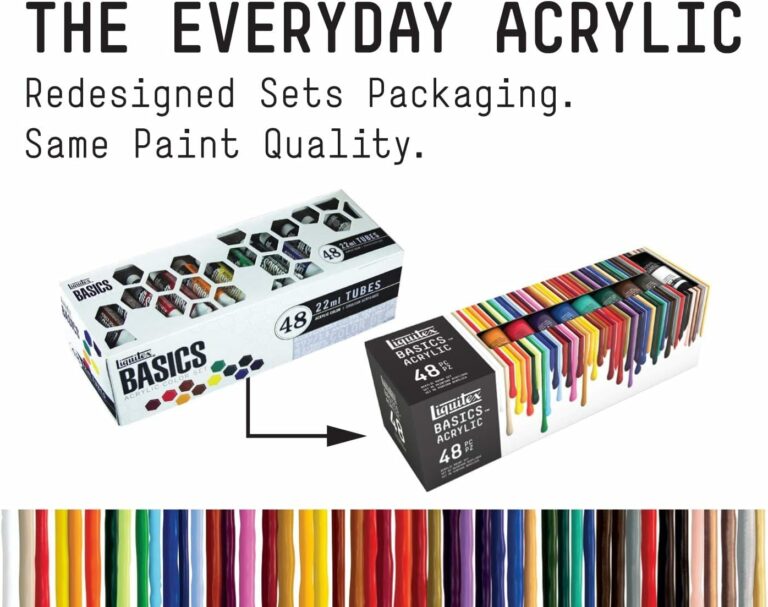
Also Recommended: Liquitex Professional Effects Medium, 118ml (4-oz), Flow Aid
4)Acetone
You’ve explored the world of specialized acrylic paint thinners, but now it’s time to ponder a more unconventional option: acetone.
This solvent is commonly found in nail polish removers and is known for its ability to dissolve and thin substances. But, when it comes to acrylic paint, acetone can be used as a thinner in a pinch, but you need to exercise caution.
Acetone is a strong solvent that can break down the paint’s binder, causing it to lose its integrity and become too watery. To use acetone as a thinner, start by mixing a small amount (about 10-20%) with your paint.
Test the consistency on a palette or paper towel before applying it to your artwork. Keep in mind that acetone can evaporate quickly, so you’ll need to work fast.
Also, be aware that acetone can alter the paint’s color and texture, so it’s not ideal for fine art or delicate pieces.
How to Easily Thin Acrylic Paint with Water?

As you prepare to tackle your next artistic project, thinning your acrylic paint with water becomes a crucial step. You’ll want to achieve the perfect consistency to bring your vision to life.
To thin your paint with water;
- Start by adding a small amount of water to the mixture. Begin with a 1:1 ratio, adding one part water to one part paint.
- Mix the solution thoroughly, ensuring the water is fully incorporated. You can test the consistency by drizzling the paint onto a surface or using a palette knife to scrape it.
- If it’s still too thick, add a little more water and mix again.
- Be cautious not to add too much, as this can dilute the paint’s color and strength.
When working with Heavy Body Acrylic Paint, it’s essential to maintain control over the water addition to avoid losing the paint’s texture and brushstroke retention.
How to Dilute Dried Acrylic Paint?
When dried acrylic paint becomes a problem, its rigid, unyielding texture can be frustrating to work with. But don’t worry, you can still salvage it! To dilute dried acrylic paint;
- Start by scraping off as much of the dried paint as possible from the container or palette.
- Then, add a small amount of water or a paint thinner to the dried paint, and mix well. You can use a palette knife, spoon, or even your fingers to break down the paint.
- Be patient, as this process can take some time and elbow grease.
- As you mix, you’ll start to see the paint soften and eventually return to its liquid state.
- Again. if the paint is still too thick, continue adding small amounts of water or thinner until you achieve the desired consistency.
Remember to test the paint on a separate surface before applying it to your artwork to verify it’s the right consistency.
Can You Use Acrylic Mediums for Thinning Down Acrylic Paint
Scraping and mixing dried acrylic paint can be a tedious process, but what if you have an alternative? You’ve probably heard of acrylic mediums, those magical liquids that can transform the texture, consistency, and even finish of your paint.
The good news is that you can use them to thin down your acrylic paint. When you’re choosing an acrylic medium, look for ones specifically designed for thinning.
These mediums are usually labeled as “flow improvers” or “thinning mediums.” They’re formulated to reduce the viscosity of your paint without affecting its color strength or overall performance.
Some popular brands you can begin with are Golden, Liquitex, or Daler-Rowney.
To use an acrylic medium;
- Simply mix it with your paint on a palette or in a container.
- Start with a small amount, about 10-20%, and adjust to achieve the desired consistency.
- You can also experiment with different ratios to find the perfect balance for your project.
- Remember, a little goes a long way, so start slow and build up gradually.
What You Should Not Use to Thin Down Acrylic Paint?
You’ve got a stash of household liquids that seem like they might do the trick, but beware: not everything is suitable for thinning acrylic paint.
You might think turpentine or mineral spirits would work, but they’re too harsh and can damage the paint or the surface you’re working on.
Don’t even think about using nail polish remover, bleach, or other strong chemicals – they’ll ruin your paint and potentially harm you.
It’s also best to avoid using oil-based products like baby oil or cooking oil, as they can interfere with the paint’s adhesion.
And what about those online tutorials that suggest using hairspray or Windex? Don’t try them – they’re also not suitable for thinning acrylic paint and can lead to unpredictable results. Stick with tried-and-true methods, and you’ll be safe.
Tips and Tricks for Thinning Down Acrylic Paint for Complete Beginners
Newbie alert! Thinning down acrylic paint can seem like a daunting task, but fear not, my friend! I’ve got you covered with these super simple tips and tricks.
Tip 1: Water You Waiting For? Start by adding a tiny amount of water to your paint. Yes, you read that right – water! Mix it in slowly, and voilà! Your paint is now thinner and more manageable. But remember, a little water goes a long way, so don’t go crazy or you’ll end up with a watery mess!
Tip 2: Get Your Medium On! If water isn’t doing the trick, it’s time to bring in the big guns – acrylic mediums! These magic potions can help thin your paint while maintaining its vibrancy and texture. Look for brands like Liquitex or Golden, and follow the instructions on the label. Trust me, it’s worth the investment!
Tip 3: Practice Makes Perfect (ish) The more you play with thinning your paint, the better you’ll get at it. Don’t be too hard on yourself if it takes a few tries to get it just right – it’s all part of the learning process! And hey, if all else fails, you can always start again (or order takeout and blame it on the paint).
Conclusion
Thinning acrylic paint requires precision and practice. To achieve the desired consistency, mix paint with water, mediums, or solvents in a controlled environment.
Start with a small ratio and gradually increase it until you reach the desired effect. Always test your mixture on a small scale before applying it to your canvas to ensure the best results.
Now, go forth and paint like the wind (but not too thickly, of course)! Thank you fellas for your time!