Is Acrylic Paint Toxic to Dogs
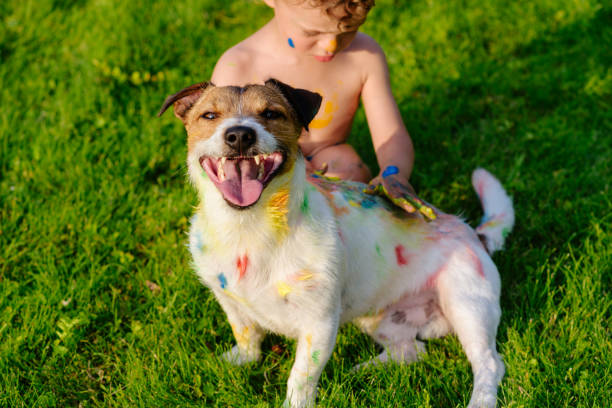
You might think that acrylic paint is harmless, but when it comes to your furry friend, it’s a different story. Have you ever wondered if the colorful streaks your dog left behind after a painting session pose a risk? Is acrylic paint really toxic to dogs?
Acrylic paint is toxic to dogs and can cause gastrointestinal irritation, vomiting, and diarrhea if ingested. To keep your dog safe, store acrylic paint out of reach and clean up spills immediately. If your dog ingests acrylic paint, contact a veterinarian immediately for advice and treatment. You should always keep your dog away from areas where acrylic paint is being used to prevent accidental ingestion.
So , in this blog, you will know if the paint is toxic to your pet, and what precautions you should take to ensure their safety.
Related Reading
Is Acrylic Paint Really Toxic to Dogs?

Acrylic paint can be toxic to dogs if ingested in large amounts, causing potential harm to their health. As a dog owner, it’s crucial to be aware of the dangers that certain items pose to your furry friend. When it comes to acrylic paint, the chemicals and pigments in the paint can be harmful to dogs if they consume a significant quantity.
These substances can lead to symptoms such as vomiting, diarrhea, lethargy, and in severe cases, organ damage. It’s essential to store your art supplies securely and out of your dog’s reach to prevent accidental ingestion.
What to Do When Your Dog Eats Acrylic Paint
If your dog has ingested acrylic paint, it’s wise to take immediate action to ensure their safety and well-being. First, remain calm but act swiftly. Check the label of the acrylic paint to see if it’s non-toxic. If the paint is labeled as non-toxic, it may not be as harmful, but it’s still essential to monitor your dog for any signs of distress.
If the paint is labeled as toxic, or if you’re unsure, contact your veterinarian or a pet poison helpline immediately. Provide them with details such as the type and amount of paint ingested, your dog’s weight, and any symptoms they may be exhibiting.
Do not induce vomiting or give your dog any home remedies without professional guidance, as these actions can sometimes do more harm than good. Your veterinarian may advise you to bring your dog in for an examination or provide specific instructions on how to monitor and care for your pet at home.
Be prepared to follow their recommendations and keep a close eye on your dog for any changes in behavior or health. Remember, quick and informed action can make a significant difference in your dog’s well-being after ingesting acrylic paint.
Important Message to Dog Owners: If you suspect that your dog has ingested acrylic paint, it’s vital to seek immediate veterinary care. Your vet can assess the situation and determine the best course of action to ensure your dog’s well-being. Be open and honest with your vet about the situation, including the amount and type of paint ingested, as this information will aid in their assessment and treatment plan.
Is It Safe to Paint With Dogs in the House?
When painting with dogs in the house, ensure proper ventilation and keep your pets in a separate, well-ventilated area to minimize their exposure to paint fumes. Here are some tips to ensure a safe painting environment for you and your furry friends:
- Open Windows: Open windows and doors to allow fresh air to circulate through the space. This will help disperse any paint fumes and reduce the risk of your dogs inhaling harmful chemicals.
- Use Non- Toxic Paints: Use low VOC or non-toxic paint options, which are safer for both your pets and the environment. These paints emit fewer fumes, making it a safer choice when painting with dogs in the house.
- Get a Pet Gate: Consider using a pet gate to create a physical barrier between the painting area and your dogs. This will help prevent them from accidentally getting into the paint or being exposed to any potentially harmful substances.
Protective Ways to Guard Your Dog from Acrylic Paint
To prevent your dog from coming into contact with acrylic paint, secure all painting supplies in a designated area inaccessible to your pet. Store your paint, brushes, and other materials in a closed cabinet or high shelf. Remember to clean up any spills or drips immediately to avoid accidental exposure.
When painting, consider confining your pet to a different room or using a pet gate to create a barrier. Additionally, it’s essential to supervise your dog when you’re working with acrylic paint. Keep an eye on your pet to ensure they don’t ingest or come into contact with any paint residue.
If your dog is particularly curious or prone to getting into things, it may be best to keep them in a separate area altogether while you’re painting. By taking these precautions, you can create a safe environment for both your artistic pursuits and your beloved pet. Always prioritize your dog’s well-being and take proactive measures to prevent any potential hazards.
Can a Dog Sleep in a Room That’s Been Painted?
After taking precautions to prevent your dog from coming into contact with acrylic paint, you may wonder whether it’s safe for your dog to sleep in a room that has been recently painted. The fumes from fresh paint can be harmful to your dog’s respiratory system and overall health. It’s best to wait until the paint has completely dried and the fumes have dissipated before allowing your dog to sleep in the room.
Here’s what you can do to ensure your dog’s safety:
Ventilation: Open windows and use fans to help circulate fresh air into the room, expelling the paint fumes more quickly.
Isolation: Keep your dog in a separate, well-ventilated area of the house while the paint is drying to minimize their exposure to the fumes.
Time: Wait at least 48 to 72 hours after painting before allowing your dog to sleep in the room, ensuring that the paint has fully cured and the fumes have completely dispersed.
Can You Use Acrylic Paint On Dog Paws?
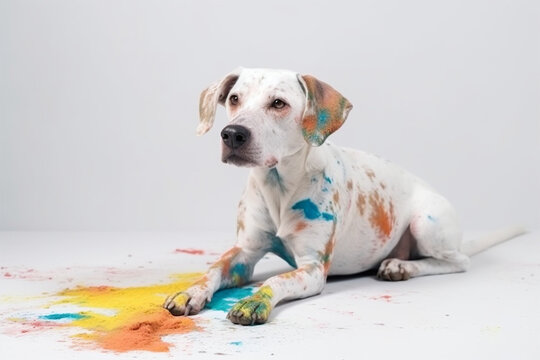
Is it safe to use acrylic paint on your dog’s paws? While it may be tempting to create cute paw prints or use your furry friend as a canvas, it’s important to consider the potential risks. Acrylic paint contains chemicals and pigments that could be harmful if ingested or absorbed through the skin, especially for sensitive animals like dogs.
When painting your dog’s paws, there’s a risk that they may lick or chew the paint, leading to ingestion of toxic substances. Additionally, the skin on their paws is thin and can easily absorb chemicals, potentially causing irritation or allergic reactions. Even though acrylic paint is generally considered safe for use on non-porous surfaces, it’s best to avoid direct contact with your dog’s skin.
If you’re set on creating a special keepsake with your dog’s paw prints, consider using pet-safe, non-toxic paints that are specifically formulated for use on animal paws. These products listed below are designed to be gentle on your dog’s skin and safe if ingested.
What Paints Are Safe for Dogs
When it comes to painting your dog’s paws, it’s important to use paints that are safe for them. These paints are easy to clean off and won’t harm your dog if they decide to lick their paws;
1)Tempera Paints

You can safely use tempera paints around dogs as they’re non-toxic and generally safe for pets. These paints are water-based and made with natural ingredients, so you don’t have to worry about harming your furry friend.
When using tempera paints around your dog, you can feel confident knowing that they aren’t inhaling harmful fumes or risking ingestion of toxic substances.
Additionally, tempera paints are easy to clean up with just soap and water, making them convenient for pet owners. Whether you’re creating paw print art or letting your dog explore their artistic side, tempera paints provide a safe and enjoyable experience for both you an your canine companion.
2) Baby Paints
Safe paints for dogs, such as baby paints, offer non-toxic options for creating pet-friendly art projects. When choosing paints for your furry friend, opt for water-based and non-toxic baby paints that are safe for use on your dog’s paw pads or fur. These paints are designed with gentle formulas that are less likely to cause skin irritation or allergic reactions in your dog. With baby paints, you can enjoy creating beautiful and safe art projects with your beloved canine companion. I recommend Crayola Washable Finger Paints.
3) Water Colors
Water colors are an excellent choice for creating pet-friendly art projects as they’re generally safe for dogs when used responsibly. Here are a few reasons why water colors are a great option for your furry friend:
Non-toxic: Water colors are often made with natural ingredients and are generally non-toxic, making them safe for your dog to be around.
Easy to clean: Water colors are water-based and can be easily cleaned with water and mild soap, reducing the risk of accidental ingestion by your dog.
Low odor: Unlike some other types of paints, water colors typically have a low odor, which can be more pleasant for both you and your dog.
When using water colors around your dog, always ensure proper ventilation and supervise to prevent any unwanted messes or ingestion.
Conclusion
So, next time you’re painting, be sure to keep your furry friend safe from toxic acrylic paint. Remember, it’s better to be safe than sorry when it comes to your dog’s health.
After all, they’re part of the family and deserve to be protected from harm. Keep those paint brushes out of reach and opt for pet-safe paints to keep your pup happy and healthy.