How Do You Know if You’re Allergic to Acrylics?
While acrylic nails have become a staple in the beauty industry, a growing concern has emerged among nail enthusiasts: the possibility of an allergic reaction.
But what are the signs of an acrylic nail allergy, and how can it be diagnosed and treated?
Key Takeaways
- You can be allergic to acrylic nails, with symptoms including itchy rash, redness, and swelling around the nails.
- Methacrylate in acrylic nail products is the primary culprit behind allergic reactions in sensitive individuals.
- Exposure to allergens in nail cosmetics, including methacrylates, tosylamide formaldehyde resin, and nickel, can trigger symptoms of contact dermatitis.
- A skin allergy test performed by a healthcare professional can confirm the diagnosis of an acrylic nail allergy.
Recommended Posts
- Why Do My Acrylic Nails Keep Breaking?
- Why Do Acrylic Nails Lift? With Solutions
- Which is Better, Acrylic or SNS?
How Do You Know if You’re Allergic to Acrylics?
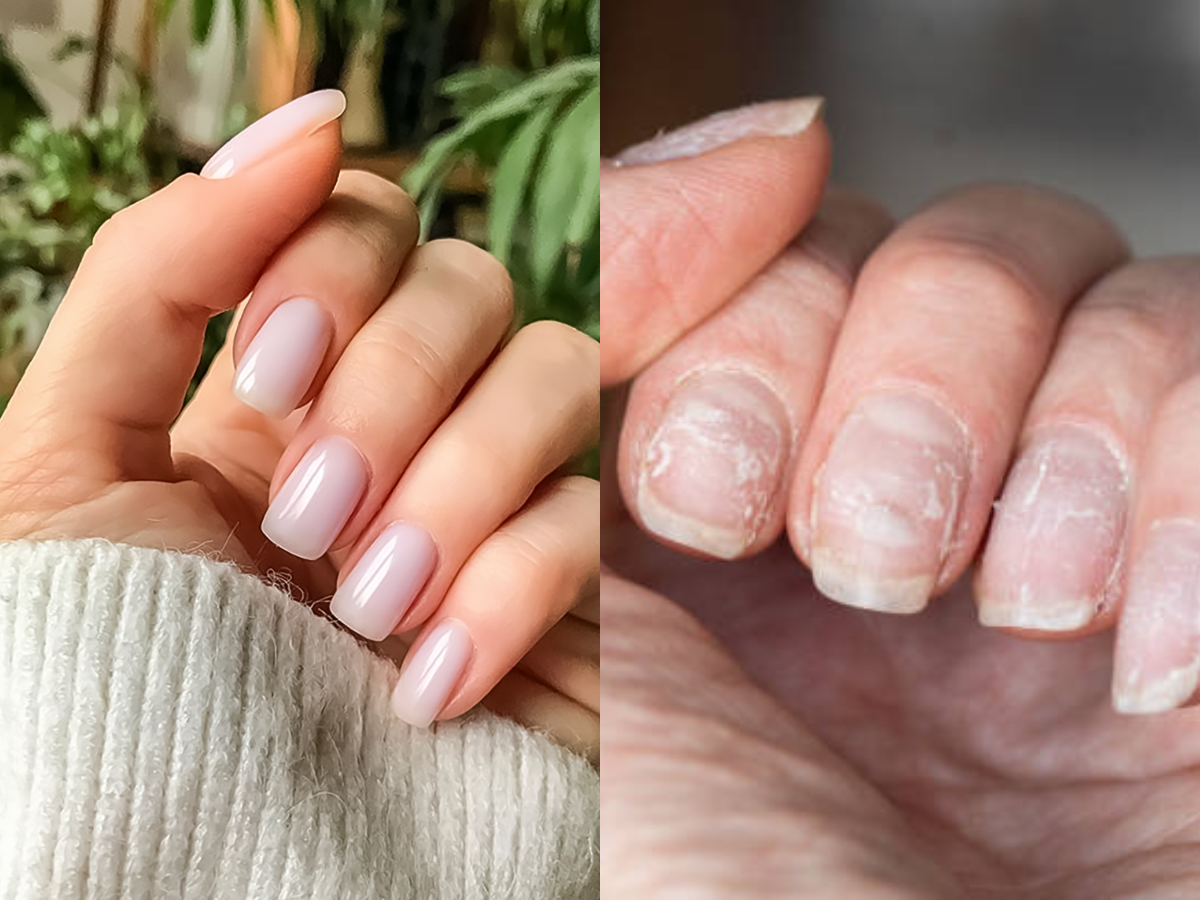
You may exhibit adverse reactions to acrylic nails, characterized by a distinct set of symptoms that can aid in identifying an allergy to these cosmetic enhancements.
The primary culprit behind these reactions is the methacrylate found in acrylic nail products, which can cause an allergic response in sensitive individuals.
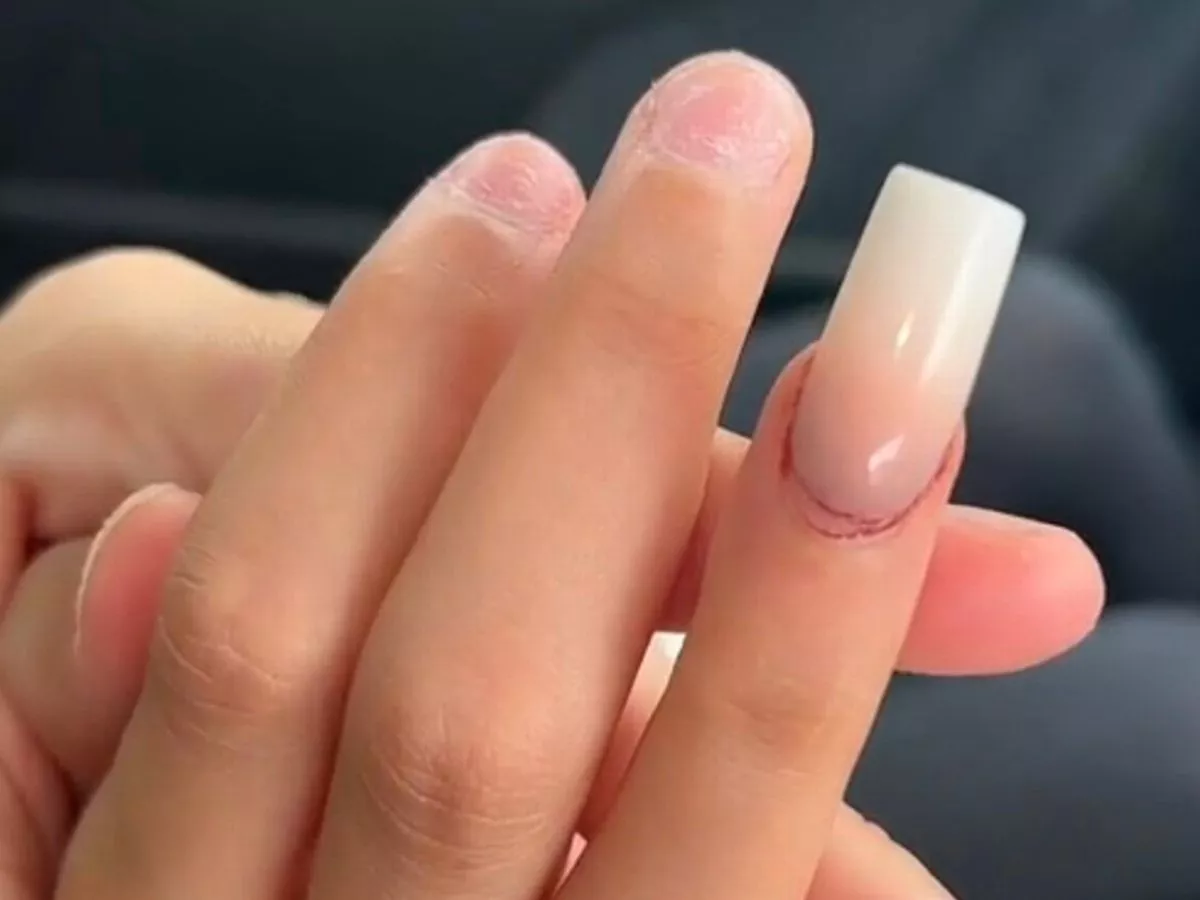
This allergy can manifest as an itchy rash, redness, and swelling around the nails, and in severe cases, may lead to allergic eczema.
To determine if you are allergic to acrylic nails, it is essential to be aware of the allergens present in nail cosmetics.
These include methacrylates, tosylamide formaldehyde resin, and nickel, commonly found in nail glue, gel polish, and nail tools.
Exposure to these substances can trigger symptoms of contact dermatitis, which can be confirmed through a skin allergy test performed by a healthcare professional.
What Are the Symptoms of an Acrylic Nail Allergy?
If you’re experiencing an allergic reaction to acrylic nails, you may notice redness, swelling, and itching around the nails.
Other symptoms may include blisters filled with fluid, dry, cracked, and peeling skin, and a burning sensation or pain around the nails.
In severe cases, allergic eczema can occur. Seeking medical attention is imperative if you’re experiencing any of these symptoms, as they can worsen if left untreated.
If you’re concerned about an allergic reaction, consult a healthcare professional who can perform a skin allergy test to confirm the diagnosis.
How Are Acrylic Nail Allergies Diagnosed?
Diagnosis of an acrylic nail allergy typically involves a thorough examination of the affected area and a patch test, which helps identify the specific allergen responsible for the reaction.
A dermatologist will examine the skin around the nails, looking for signs of redness, swelling, and itching, as well as blisters, dryness, and cracking.
To confirm the diagnosis, a patch test is performed, where small patches coated with suspected allergens are applied to the skin.
The reactions are observed after 48 hours, and positive reactions appear as itchy, red bumps.
By identifying the specific allergen, the dermatologist can provide personalized advice on how to avoid the allergen and prevent future reactions.
If you suspect you have an acrylic nail allergy, seeking medical attention from a dermatologist for an accurate diagnosis and guidance on how to manage the condition is imperative.
Treatment Options for Acrylic Nail Allergies?
Effective management of an acrylic nail allergy typically involves a multifaceted approach that combines avoidance of the offending allergen, symptomatic relief, and preventative measures.
The first step is to remove the acrylic nails and avoid further exposure to the allergen. Topical corticosteroids and oral antihistamines can provide relief from itching and inflammation.
In severe cases, oral corticosteroids may be prescribed to reduce swelling and inflammation. Cool compresses and moisturizers can help soothe and hydrate the skin.
It is essential to keep the affected area clean and dry to prevent infection.
In some cases, a dermatologist may recommend a topical treatment, such as a cream or ointment, to help reduce inflammation and promote healing.
Additionally, they may suggest alternative nail products that are free from common allergens.
With proper treatment and care, the skin can heal, and the risk of future allergic reactions can be minimized.
How Can You Prevent Nail Product Allergies?
To minimize the risk of developing an allergic reaction to nail products, it is essential to take these proactive measures;
1) Maintain Good Nail Hygiene
Proper nail care and hygiene practices can substantially reduce the risk of developing an allergic reaction to nail products, including acrylic nails.
This includes keeping the nail area clean and dry, washing hands thoroughly after handling nail products, and avoiding sharing nail tools or products.
It’s also essential to wear gloves when applying nail products to prevent skin contact.
Moreover, verify that your nail technician follows proper sanitation and hygiene procedures to minimize the risk of exposure to allergens.
2) Perform Patch Tests
Performing a patch test prior to using a new nail product or undergoing an acrylic nail application can substantially reduce the risk of an allergic reaction.
This simple test can help identify potential allergens in nail products, allowing you to take necessary precautions to avoid an adverse reaction.
A dermatologist will typically perform the patch test, applying small patches coated with suspected allergens to the skin.
After 48 hours, the reactions are observed, and positive reactions appear as itchy, red bumps. By identifying allergens beforehand, you can avoid the discomfort and distress associated with an allergic reaction.
Patch tests are especially important for individuals who have experienced skin reactions or allergic contact dermatitis in the past.
Choose Hypoallergenic Products
Selecting hypoallergenic products can substantially reduce the risk of an allergic reaction, providing a safer alternative for individuals looking to avoid adverse reactions.
When choosing nail cosmetics, it is essential to opt for products that are labeled as hypoallergenic or fragrance-free.
These products are less likely to contain common allergens like methacrylates, tosylamide formaldehyde resin, and nickel. Look for products that have undergone rigorous testing and have been certified by reputable organizations.
Additionally, consider using nail products that are free from harsh chemicals and artificial fragrances.
It is also vital to read product labels carefully and avoid products that contain known allergens. If you have a history of skin allergies or sensitivities, it is recommended to perform a patch test before using a new nail product.
What Are the Alternatives to Acrylic Nails for Those with Sensitive Skin?
For individuals with sensitive skin, there are several alternatives to acrylic nails that can provide a similar aesthetic without the risk of allergic reactions or skin irritation;
1) Dip Powder Nails

Many individuals with sensitive skin who experience adverse reactions to acrylic nails often turn to dip powder nails as a safer, gentler alternative.
I recommend AZUREBEAUTY 31 Pcs Dip Powder Nail Kit. Dip powder nails are a popular choice due to their non-invasive application process, which eliminates the need for harsh chemicals, glues, and UV lights.
This makes them an attractive option for those who have experienced allergic reactions or skin irritation from acrylic nails.
The dip powder nail process involves applying a powdered formula to the nail using a special brush, followed by a sealant to lock it in place.
This method is free from many common allergens found in acrylic nail products, reducing the risk of skin reactions.
Additionally, dip powder nails are less damaging to the natural nail, as they don’t require the use of chemicals or harsh adhesives.
As a result, dip powder nails have become a go-to solution for those with sensitive skin seeking a more gentle and safe alternative to traditional acrylic nails.
2) Gel Nails

Gel nails, another popular alternative to acrylic nails, offer a gentler approach to nail enhancement, appealing to those who experience adverse reactions to methacrylates and other harsh chemicals.
Gel nails are a great option for individuals with sensitive skin, as they are less likely to cause irritation or allergic contact dermatitis.
The gel formula is typically free of tosylamide formaldehyde resin, nickel, and other common allergens found in nail cosmetics.
However, it is vital to note that some gel polishes may still contain methacrylates, which can trigger an allergic response in some individuals.
When opting for gel nails, it is imperative to choose a reputable technician who uses high-quality, hypoallergenic products.
Additionally, make certain that the technician follows proper application and removal techniques to minimize the risk of skin irritation or allergic reactions.
With proper care and attention, gel nails can provide a beautiful, long-lasting solution for those seeking an alternative to acrylic nails.
3)Traditional Nail Polish

Traditional nail polish offers a safe and gentle alternative to acrylic nails for individuals with sensitive skin, as it typically does not contain harsh chemicals.
This makes it an ideal option for those who experience allergic reactions or skin irritation from acrylic nail products.
Additionally, traditional nail polish is generally free from the strong chemicals that can cause contact dermatitis, making it a great choice for those with skin sensitivities.
In addition, traditional nail polish is easy to apply and remove, reducing the risk of skin irritation and nail damage.
It also allows for a more natural nail appearance, which can be beneficial for those who want to avoid the artificial look of acrylic nails.
Besides, traditional nail polish comes in a wide range of colors and finishes, offering endless possibilities for creative expression.
For individuals with sensitive skin, traditional nail polish provides a convenient and gentle way to enhance their natural beauty without compromising their skin health.
You can also check out AZUREBEAUTY Vegan Nail Polish Set. It is Animal-Derived Materials Free.
4) Press- On Nails
For individuals with sensitive skin seeking an alternative to acrylic nails, press-on nails offer a convenient and gentle solution that can be easily applied and removed without causing damage to the natural nail.
Press-on nails are a great option for those who want to achieve a salon-quality look without the risk of an allergic reaction or skin irritation.
Personally, I love BTArtbox Almond Press On Nails. They come in a range of styles, from natural to glamorous, and can be easily customized to suit individual preferences.
Additionally, press-on nails are reusable, making them a cost-effective and eco-friendly alternative to traditional acrylic nails.
How Do I Know if I’m Allergic to Methacrylate?
Occasionally, individuals may exhibit signs of an allergic reaction to methacrylate, which can manifest as redness, swelling, and itching around the nails, particularly after exposure to acrylic nail products.
If you experience any of these symptoms, it is essential to seek medical attention to determine the cause.
A dermatologist will typically perform a patch test to identify the allergen responsible for the reaction. In this test, small patches coated with suspected allergens, including methacrylates, are applied to the skin, and reactions are observed after 48 hours.
Positive reactions appear as itchy, red bumps.
If the test confirms an allergy to methacrylate, it is vital to avoid exposure to products containing this substance.
This may involve switching to alternative nail products or taking precautions when receiving acrylic nail applications.
Final Thoughts
The irony lies in the quest for aesthetic perfection culminating in skin imperfections.
Treatment and prevention are key, but awareness is the first step.
By recognizing the symptoms and understanding the diagnosis, individuals can take control of their nail health.
Ultimately, it is vital to prioritize sensitivity over style, lest the price of beauty be paid in skin irritation and discomfort.