Can You Put Polyurethane Over Acrylic Paint?
If you have been working with acrylic paint for along time now, I bet polyurethane has crossed your mind especially if you have been thinking of some coating ideas for your art work.
So, is putting polyurethane over acrylic paint really a good option?
Well, understanding the properties of polyurethane and its interaction with acrylic paint can help you achieve a successful finish.
You Might Also Like: Is Enamel Paint Acrylic?
Key Takeaways
- Most polyurethane products can be used over acrylic paint, but some may require a primer or specific preparation process.
- Water-based polyurethane is a popular choice for use over acrylic paint due to its ease of application and quick drying time.
- Oil-based polyurethane can also be used, but it may require a longer drying time and has stronger fumes.
What is Polyurethane?

Polyurethane is a versatile and widely used synthetic polymer that can be found in various forms, including liquid, foam, and solid.
It is commonly used as a coating, adhesive, or sealant in various industries, including woodworking, construction, and manufacturing.
In the context of artistic expression and freedom, polyurethane is often used to protect and enhance the appearance of surfaces, including those painted with acrylic paint.
Polyurethane coatings can provide a clear, glossy finish that showcases the underlying artwork while protecting it from damage and wear.
When applied correctly, polyurethane can also help to preserve the integrity of the acrylic paint, allowing artists to create durable and long-lasting pieces that can be enjoyed for years to come.
Can You Put Polyurethane Over Top of Acrylic Paint?
You can definitely apply polyurethane over acrylic paint.
This is a common practice in various artistic and crafting applications. This technique is often used to add a protective coating to the paint, enhancing its durability and longevity.
However, it is essential to verify that the polyurethane is compatible with the acrylic paint to achieve the desired results.
Most polyurethane products can be used over acrylic paint, but some may require a primer or a specific preparation process.
In general, water-based polyurethane is a popular choice for use over acrylic paint, as it is easy to apply and dries quickly.
Oil-based polyurethane can also be used, but it may require a longer drying time and has stronger fumes.
What Other Kinds of Paint Will Stick to Polyurethane?
Generally, oils-based paints, such as alkyd or enamel, adhere well to polyurethane due to their similar solvents.
Latex-based paints can also work, but the polyurethane surface may require light sanding to create a better bond.
Epoxy paint, a two-part paint that hardens when mixed, is another option that can adhere well to polyurethane.
To be on the safer side, just follow the manufacturer’s instructions and verify the polyurethane surface is clean and dry before application.
Is Polyurethane Waterproof?
Polyurethane is often considered a water-resistant coating, but its level of water resistance can vary depending on the specific formulation and application.
While it can provide a barrier against moisture, it is not entirely waterproof.
Water can still seep through the coating if it is exposed to excessive moisture or pressure. However, polyurethane can be formulated to be more water-resistant by adding specialized additives or using a specific type of polyurethane, such as a two-component polyurethane.
In general, polyurethane is suitable for use in applications where it will be exposed to moderate levels of moisture, such as in furniture or flooring.
However, it may not be the best choice for applications where it will be exposed to excessive water, such as in bathrooms or kitchens.
It is essential to choose the right type of polyurethane and follow the manufacturer’s instructions for application to guarantee the best results.
How Long Does Polyurethane Take to Dry?
Polyurethane drying time varies depending on the type of polyurethane, environmental conditions, and application thickness. Generally, water-based polyurethane takes between 24 minutes to 48 hours to dry to the touch, while curing can take up-to 30 days.
In ideal conditions, with temperatures between 60-80°F (15-27°C) and humidity below 60%, polyurethane can dry more quickly.
However, high humidity, low temperatures, or thick application can notably slow down the drying process.
I’d say, test the polyurethane by applying a small amount to a discrete area before applying it to the entire surface.
Allowing polyurethane to dry completely between coats is vital to prevent uneven finishes and guarantee a strong bond.
Typically, recommended is to wait 24 hours before applying a second coat.
What Is the Lifespan of Polyurethane?
A well-applied polyurethane finish in a low-traffic area can last for 20 years or more, while a poorly applied finish in a high-traffic area may only last a few years.
Factors that affect the lifespan of polyurethane include exposure to sunlight, moisture, and chemicals, as well as the type of polyurethane used.
Water-based polyurethane finishes tend to have a shorter lifespan than oil-based finishes, typically lasting around 5-10 years.
Oil-based polyurethane finishes, on the other hand, can last for 10-20 years or more. It’s also important to note that polyurethane finishes can be reapplied to extend their lifespan.
Regular maintenance, such as cleaning and inspecting the finish, can also help to extend its lifespan.
Are Polyurethane and Varnish the Same Thing?
Although varnish and polyurethane are often used interchangeably, they have distinct differences in terms of their chemical composition and performance.
Varnish is a transparent, hard coating made from a solvent, resin, and drying oils, such as linseed or tung oil. It is typically used to protect and enhance the appearance of wood surfaces.
Polyurethane, on the other hand, is a synthetic resin that can be formulated to produce a wide range of properties, including flexibility, hardness, and chemical resistance.
While both varnish and polyurethane can be used as clear coatings, they have different characteristics that make them suitable for specific applications.
Varnish is generally more brittle and prone to cracking than polyurethane, but it can provide a harder, more durable finish.
Polyurethane, by contrast, is more flexible and resistant to abrasion, but it may not provide the same level of hardness as varnish.
Understanding the differences between varnish and polyurethane is essential for selecting the right coating for your project and achieving the desired results.
What Happens to Polyurethane When Wet?
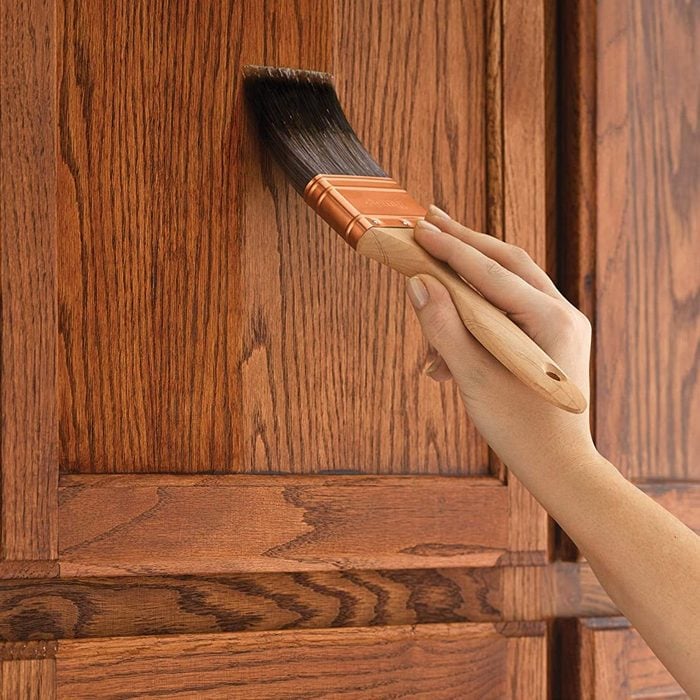
Polyurethane is a water-resistant coating, but it is not entirely waterproof. When exposed to water, polyurethane can undergo changes that affect its performance and longevity.
In general, polyurethane coatings may be more prone to water damage than oil-based ones.
If polyurethane is fully cured and applied correctly, it can withstand occasional exposure to water. However, prolonged or repeated exposure can compromise its adhesion, flexibility, and overall durability.
It is essential to recognize that polyurethane is not suitable for applications where it will be constantly submerged in water, such as in aquariums or swimming pools.
In such cases, a more specialized coating or sealant should be used to ensure the desired level of water resistance and protection.
Tips and Tricks for Working with Polyurethane
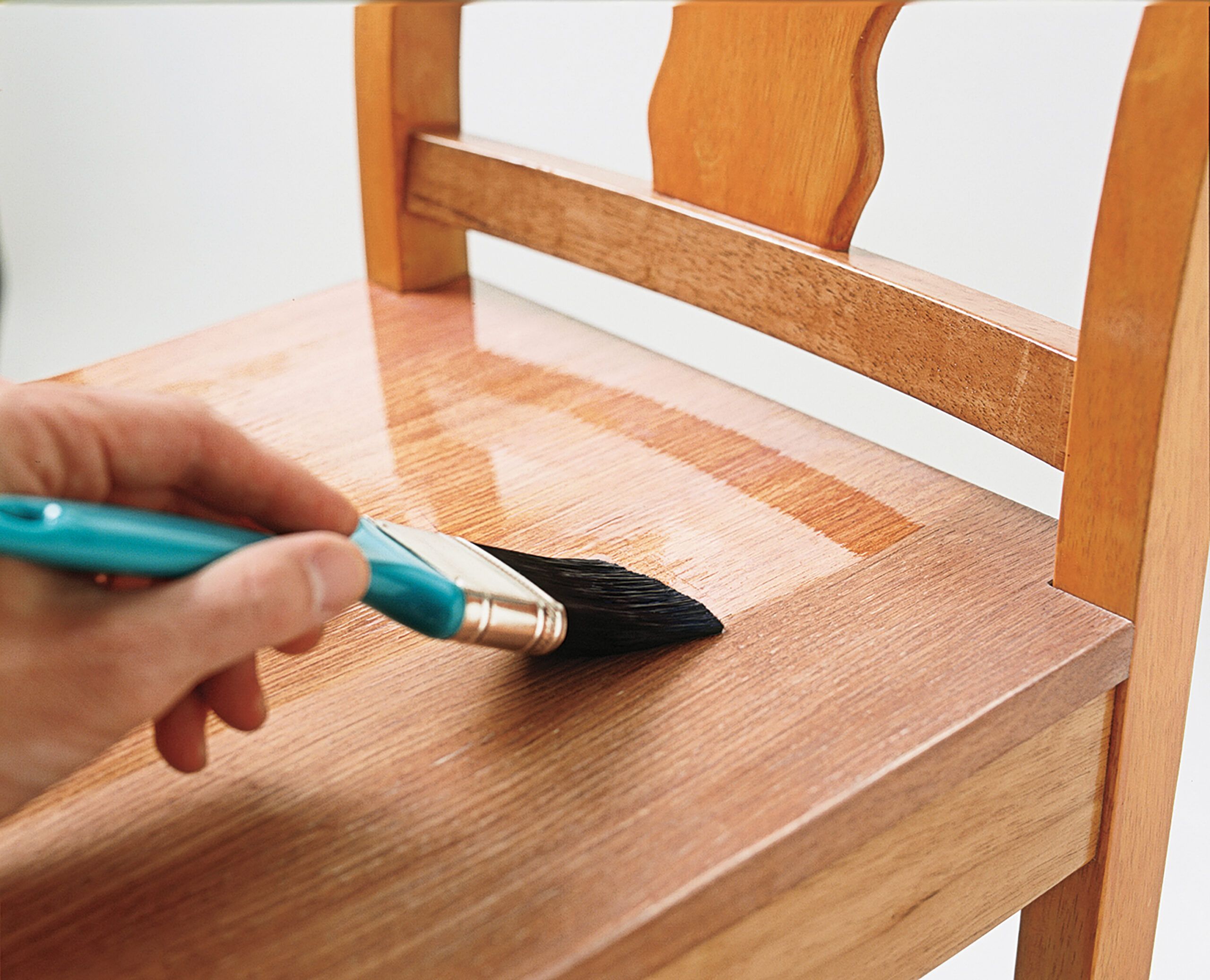
When working with polyurethane, effective application and finishing techniques can substantially impact the final result.
To achieve a smooth, even finish, guarantee the surface is clean, dry, and free of dust and debris. Apply polyurethane in a well-ventilated area, and use a high-quality brush or foam applicator to minimize bubbles and streaks.
Work in small sections, applying thin, even coats, and allowing each coat to dry according to the manufacturer’s instructions.
Avoid over-application, as this can lead to a sticky, tacky finish. If working with polyurethane over acrylic paint, lightly sand the surface before application to create a strong bond.
For a high-gloss finish, apply multiple thin coats, sanding lightly between coats.
To minimize yellowing or darkening, choose a water-based polyurethane, and avoid applying too many coats.
Conclusion
Polyurethane stands as a mighty sentinel.
While it has limitations, polyurethane is a valuable asset for anyone seeking to preserve and elevate the beauty of various materials.
With its numerous benefits and relatively straightforward application process, polyurethane has earned a place in the toolbox of artisans, manufacturers, and homeowners alike.