
When Were Acrylic Nails Invented?
The journey to modern acrylic nails was not without its twists and turns.
The question remains, how did this discovery translate into the stylish, durable, and versatile nail enhancement that is familiar to us today?
The story behind the rise of acrylic nails is a fascinating one, filled with unexpected influences and surprising pioneers. So, when exactly were acrylic nails invented?
Key Takeaways
- The concept of acrylic nails began to take shape in the mid-20th century with a significant milestone in 1954.
- Frederick Slack, a dentist, accidentally invented acrylic nails in 1954, paving the way for modern acrylic nails.
- Slack’s innovative solution led to the development of modern acrylic nails, popularized in the 1950s and 1960s by Black women.
- The 1950s and 1960s saw the widespread adoption of acrylic nails as a symbol of femininity and style.
Recommended Posts
- How Do You Know if You’re Allergic to Acrylics?
- Can You Get a Manicure Right After Removing Acrylic Nails?
History of Artificial Nails
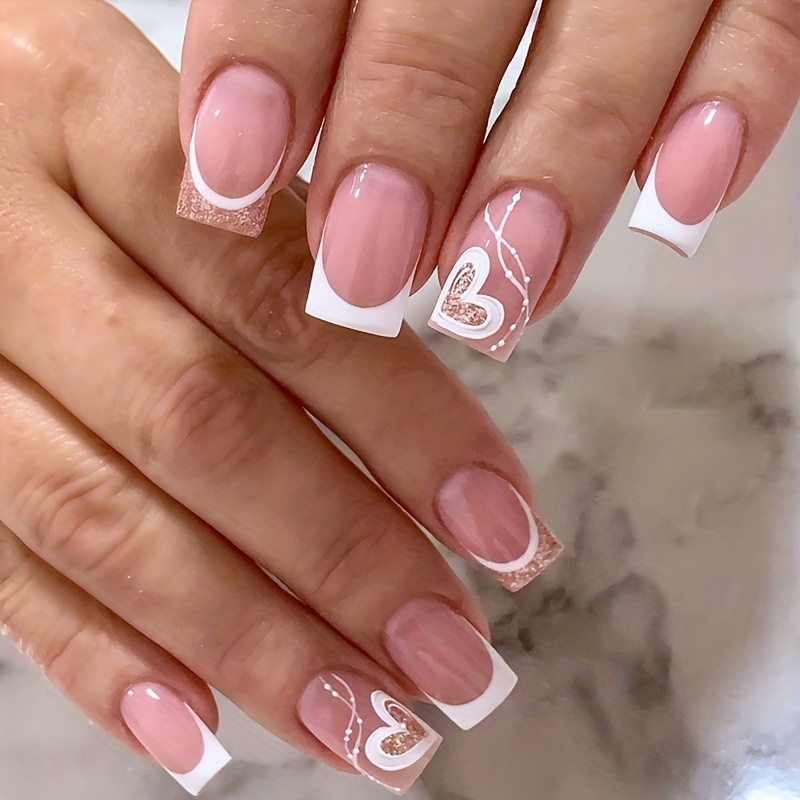
Tracing back to ancient civilizations, the concept of artificial nails has a rich history, with various materials such as bone, ivory, and gold being used to create nail extensions that symbolized status, wealth, and social hierarchy.
In ancient Egypt, women wore artificial nails as a symbol of their social standing, with longer nails indicating higher status.
Similarly, in China during the Ming Dynasty, nail extensions were a status symbol reserved for the elite classes.
The upper classes, including men and women, would grow their nails long to signify their exemption from manual labor.
In Europe, women during the 19th century experimented with adhesives and paper forms to extend their nails, laying the groundwork for modern nail enhancements.
These early forms of artificial nails were an attestation to human ingenuity and the desire to adorn and beautify oneself.
As we move forward in time, we will explore how these early innovations paved the way for the modern acrylic nail industry.
The Evolvement of Acrylic Nails
Throughout the mid-20th century, the concept of acrylic nails began to take shape, with the accidental invention by a dentist in 1954 marking a significant milestone in their development.
Since then, acrylic nails have undergone a remarkable transformation, evolving from a simple solution for a broken nail to a fashion statement and beauty enhancement.
The 1950s and 1960s saw the adoption of acrylic nails by Black women as a symbol of femininity and style, with iconic figures like Donyale Luna sporting them on the cover of Vogue.
As the industry grew, so did the technology and techniques, leading to the diverse range of acrylic nail designs and applications we see today.
With the global artificial nails industry projected to reach $449.3 million by 2031, it’s clear that acrylic nails have become an integral part of the beauty and fashion landscape.
As professionals in the service industry, understanding the evolution of acrylic nails allows us to better serve our clients, providing them with the latest trends and techniques to enhance their beauty and confidence.
When Were Acrylic Nails Invented?
The origins of acrylic nails can be pinpointed to a serendipitous moment in 1954 when a dentist, Frederick Slack, created an artificial nail to cover up his own broken nail, unwittingly laying the foundation for the modern acrylic nail industry.
This accidental discovery marked the beginning of a revolutionary trend in the beauty industry.
His accidental invention sparked a chain reaction, leading to the widespread adoption of acrylic nails as a fashion statement and beauty enhancement.
Today, the global artificial nails industry, including acrylic nails, is a thriving market, valued at millions of dollars.
When Did Acrylic Nails Become Popular?
Frederick Slack’s serendipitous invention of acrylic nails in 1954 laid the groundwork for their eventual widespread popularity, which began to gain momentum in the 1970s and 1980s.
During this period, acrylic nails became a staple in the beauty industry, particularly among African American women who embraced them as a symbol of femininity and style.
The iconic model Donyale Luna, who graced the cover of Vogue in 1966, was one of the early adopters of acrylic nails.
As the beauty industry continued to evolve, acrylic nails became more mainstream, with salons offering a range of designs and application techniques.
The 1980s saw a surge in popularity, with acrylic nails becoming a status symbol and a fashion statement.
This growth was fuelled by the increasing demand for nail enhancements and the development of new products and techniques.
How to Apply Acrylic Nails?
You can get acrylic nails at any age. To achieve a long-lasting, salon-quality finish;
- Prepare the natural nail and select the right acrylic products before applying acrylic nails.
- This includes cleaning and shaping the natural nail, removing oils and lotions, and applying a primer to guarantee a strong bond between the natural nail and acrylic.
- Next, mix the acrylic powder and liquid monomer according to the manufacturer’s instructions, taking care to achieve the right consistency.
- Using a brush, apply a thin layer of acrylic to the nail, starting at the center and working your way outwards in smooth, even strokes.
- Be sure to cover the entire nail surface, but avoid applying too much acrylic, as this can lead to a thick, uneven finish.
- Use a nail file to shape and refine the acrylic nail, and finish with a top coat to seal and protect the nail.
With practice and patience, you can achieve beautiful, long-lasting acrylic nails that will leave your clients feeling confident and glamorous.
Who Was the First Person to Wear Acrylic Nails?
Accidentally stumbling upon the concept of acrylic nails, dentist Frederick Slack became the pioneer to wear them in 1954.
Slack’s ingenuity was sparked when he broke his nail and fashioned an artificial nail to cover the break, using dental acrylics.
This serendipitous moment marked the beginning of a beauty revolution. As the first person to wear acrylic nails, Slack’s innovative solution paved the way for the development of modern acrylic nail technology.
Slack’s accidental discovery not only benefited himself but also opened doors for others to explore the world of artificial nail enhancements. His invention enabled people to achieve the look of long, luscious nails without the need for natural growth.
Today, acrylic nails have become a staple in the beauty industry, with millions of people around the world enjoying the benefits of this innovative technology.
As a tribute to Slack’s pioneering spirit, his accidental discovery has brought joy and confidence to countless individuals, making him a true trailblazer in the world of beauty.
Did Acrylic Nails Exist in the 50s?
The dawn of the 1950s marked a significant milestone in the history of artificial nail enhancements, as it was during this decade that the first acrylic nails emerged, revolutionizing the beauty industry forever.
This innovation can be attributed to Frederick Slack, a dentist who accidentally founded the concept of acrylic nails in 1954. Slack created an artificial nail to cover his broken nail using dental acrylics, paving the way for the development of modern acrylic nails.
The 1950s saw the emergence of acrylic nails as a beauty trend, particularly among Black women who adopted them as a symbol of femininity and style.
The trend gained momentum in the 1960s, with icons like Donyale Luna, the first Black woman to appear on the cover of Vogue, sporting acrylic nails.
The popularity of acrylic nails continued to grow, and today, they have become a staple in the beauty industry, with the global artificial nails market projected to reach $449.3 million by 2031.
The 1950s marked the beginning of a new era in nail enhancements, and the impact of acrylic nails on the beauty industry has been profound and lasting.
How Long Do Acrylic Nails Last?

Acrylic nails, when properly applied and maintained, can last anywhere from two to three weeks without showing significant signs of deterioration.
During this period, they can withstand daily wear and tear, including exposure to water, soap, and light chemicals.
However, one must emphasize that the lifespan of acrylic nails greatly depends on several factors, such as the quality of application, aftercare, and personal habits.
To extend the life of acrylic nails, it is vital to follow a proper aftercare routine, which includes avoiding harsh chemicals, excessive exposure to water, and using gentle nail care products.
Additionally, regular fill-ins and maintenance appointments with a professional nail technician can help prevent lifting, cracking, and other forms of damage.
Conclusion
In summary, the concept of acrylic nails has undergone significant transformations since its accidental invention by Frederick Slack in 1954.
Initially adopted by Black women as a symbol of femininity and style, acrylic nails have become a staple in modern beauty routines.
For instance, a 1960s case study revealed that a young woman named Dorothy, who worked as a waitress, wore acrylic nails to enhance her confidence and aesthetic appeal, exemplifying the early adoption of this beauty trend.