
Can You Put Mod Podge Over Acrylic Paint?
Mod Podge is a versatile craft adhesive and sealer widely used by artists and DIY enthusiasts. When working with acrylic paints, many wonder if Mod Podge can be applied over them.
Let’s get right into all the nitty-gritties of working with mod podge.
Key Takeaways
- Mod Podge acts as a versatile glue, sealer, and finish for acrylic paint projects.
- Allow ample drying time for acrylic paint before applying Mod Podge to ensure proper adhesion.
- Water exposure can affect the finish and adhesion of Mod Podge, making it water-resistant but not completely waterproof.
Recommended Posts
- What Is Satin Acrylic Paint? A Painter’s Guide
- Is Pebeo Studio Acrylic Paint Good?
- Are Winsor & Newton Professional Acrylic Paint Good?
- Is Apple Barrel Matte Acrylic Paint Waterproof?
What is Mod Podge?

Mod Podge is a versatile crafting essential that combines the functions of glue, sealer, and finish into one convenient product.
When you’re working with acrylic paint, Mod Podge becomes your best friend.
Not only does it work as a reliable glue, but it also seals and protects your artwork, giving it a professional finish.
Now, let’s talk about how Mod Podge and acrylic paint play so well together. After you’ve created a stunning masterpiece with your acrylic paints, you can use Mod Podge to seal and protect your work.
The beauty of Mod Podge is that it dries clear, so you won’t have to worry about it altering the vibrant colors of your acrylic painting. It’s like adding a protective shield over your art, ensuring that it lasts for years to come.
When you’re using Mod Podge over acrylic paint, it’s important to let your painting completely dry first.
Once it’s dry, you can apply a coat of Mod Podge with a brush, making sure to cover the entire surface evenly.
Whether you’re creating on canvas, wood, or any other surface, Mod Podge provides the ideal finishing touch for your acrylic paintings.
Mod Podge is the ultimate partner for your acrylic paint creations.
It not only enhances the vibrancy of your artwork but also provides long-lasting protection, so your masterpieces can be enjoyed for a lifetime.
Recommended for Matte: Mod Podge CS11304 Waterbase Sealer, Glue and Finish, 128 oz, Matte
Properties of Mod Podge
When using Mod Podge, it offers a versatile range of properties that make it an essential tool for various crafting projects. One of its key properties is its ability to act as a glue, sealer, and finish all in one.
This means that you can use it to adhere paper, fabric, and other materials to various surfaces, while also providing a protective topcoat and a smooth, glossy finish.
Mod Podge also comes in different finishes, including matte, glossy, and satin, allowing you to choose the perfect look for your project.
The matte finish is great for a subtle, non-reflective surface, while the glossy finish provides a shiny, reflective coating. The satin finish falls in between, offering a soft sheen that isn’t overly glossy.
Additionally, Mod Podge is water-based, making it easy to clean up with soap and water while still wet.
This property also means that it’s non-toxic, making it safe for use in various crafting projects, including those involving children. If you want to get your kid started on acrylic painting, I recommend this article.
Can You Put Mod Podge Over Acrylic Paint?
You can definitely put Mod Podge over acrylic paint. Mod Podge is designed to work as a sealer and protectant over a variety of surfaces, including acrylic paint.
By applying a coat of Mod Podge over your acrylic paint, you can protect it from damage, moisture, and dust, as well as give it a glossy, matte, or satin finish, depending on the type of Mod Podge you choose.
When applying Mod Podge over acrylic paint, make sure that the paint is completely dry before you begin. Once the paint is dry, use a clean brush to apply an even layer of Mod Podge over the surface.
You can use a brush with soft bristles to avoid leaving brush marks. Allow the Mod Podge to dry completely before adding additional coats if needed.
In addition to providing protection, Mod Podge can also be used to create interesting effects in your acrylic paint projects.
The versatility of Mod Podge makes it a valuable addition to your acrylic paint projects, allowing you to both protect and enhance your creations.
How Long Should I Let Acrylic Paint Dry Before Mod Podge?
Generally, it’s best to wait at least 24 hours for the acrylic paint to dry fully before applying Mod Podge. However, if you’ve applied thick layers of paint, it may take even longer to dry.
To ensure that the acrylic paint is completely dry, touch the surface lightly with your finger. If it feels cool or if your finger leaves an indentation, it’s not dry yet.
It’s crucial to be patient and allow the paint to dry thoroughly before moving on to the next step with Mod Podge. Rushing this step can result in a tacky or uneven finish when the Mod Podge is applied.
In some cases, using a hairdryer on a low setting can help speed up the drying process, but it’s still important to test the paint for dryness before proceeding.
Once the acrylic paint is fully dry, you can confidently apply the Mod Podge to seal and protect your artwork.
Taking the time to let each layer dry properly will ensure a professional-looking and long-lasting result.
How Long Does Mod Podge Take to Cure?
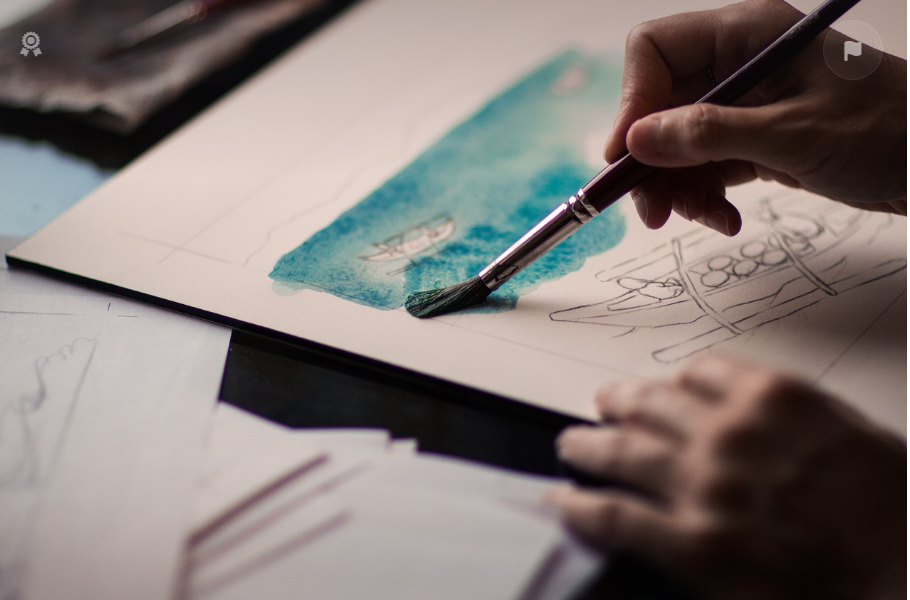
Mod Podge dries to the touch within 15-20 minutes, but it’s recommended to wait 24 hours before applying a second coat or handling your project.
For a full cure, allow the Mod Podge to cure completely for 2-3 weeks before heavy use or washing.
Keep in mind that thicker layers of Mod Podge will take longer to cure, so if you’ve applied a substantial amount, be patient and allow for extended drying time.
Additionally, if you’re working in a high humidity environment, the curing process may take longer.
Be mindful of the conditions in which you’re working, as they can impact the overall drying and curing time.
How Long Does Mod Podge Last?
The durability of Mod Podge depends on various factors such as exposure to elements, frequency of use, and the quality of application.
When properly applied and well-maintained, Mod Podge can last for many years, providing a reliable seal and finish for your projects.
However, if your project is frequently exposed to harsh elements such as direct sunlight, moisture, or extreme temperatures, the longevity of the Mod Podge finish may be affected.
To maximize the lifespan of your Mod Podge finish, it’s essential to apply it evenly and allow sufficient drying and curing time.
Additionally, using multiple coats of Mod Podge can enhance its durability and protective qualities.
Regularly inspecting your Mod Podge-sealed projects for any signs of wear and tear, and addressing them promptly, can also help prolong its lifespan.
What Happens if Mod Podge Gets Wet?
If Mod Podge gets wet, it may become tacky or slightly sticky, potentially compromising the finish and adhesion of your project. This can be a frustrating outcome, especially after putting in so much effort into your creation.
The water can cause the Mod Podge to break down, leading to a less durable and less visually appealing result.
Additionally, if the project is exposed to prolonged moisture or submerged in water, the Mod Podge may start to peel or bubble, ruining the overall look you were aiming for.
It’s important to note that while Mod Podge is water-resistant when dry, it isn’t completely waterproof.
This means that it can withstand light moisture and a quick wipe down, but it’s not suitable for items that will be consistently exposed to water or submerged.
If your project is likely to come into contact with water, it’s best to take extra precautions by using a waterproof sealant or varnish on top of the Mod Podge to provide added protection.
In the unfortunate event that your Mod Podge does get wet, try to gently pat it dry with a soft cloth as soon as possible to minimize any potential damage.
Allow it to air dry completely before determining if any touch-ups or additional layers of Mod Podge are needed to restore its original appearance and integrity.
Uses of Mod Podge
| Use | Description |
|---|---|
| Protection | Safeguards acrylic paint from scratches, moisture, and wear and tear, keeping artwork vibrant and intact. |
| Versatility | Can be used on various surfaces (canvas, wood, fabric, etc.) to seal and finish acrylic paint projects, providing a consistent and professional-looking outcome. |
| Enhanced Aesthetics | Allows for customization of finish (glossy, matte, satin) to add depth and visual appeal to artwork. |
| Ease of Use | User-friendly and easy to apply, making it suitable for both beginners and experienced artists, and a convenient option for sealing and protecting acrylic paint projects. |
Can I Use Mod Podge as Primer?
Mod Podge is indeed a versatile product, but using it as a primer requires some consideration. While Mod Podge can work as a decent primer for certain projects, it may not be the best option for all surfaces.
If you’re working on a project that involves paper, cardboard, wood, or other porous materials, using Mod Podge as a primer can be effective. Its ability to seal and protect the surface makes it suitable for preparing these materials for painting.
However, if you’re working with smooth or non-porous surfaces like glass, plastic, or metal, Mod Podge may not adhere as well as traditional primers designed specifically for those materials.
How to Make Mod Podge Not Feel Off?
To prevent Mod Podge from feeling off, ensure that you apply thin, even layers and allow each layer to dry completely before adding the next one.
When you’re working on your project, it’s important to resist the temptation to apply thick layers of Mod Podge, as this can lead to an uneven finish and the potential for the Mod Podge to peel or feel tacky.
Instead, take your time and apply multiple thin layers, allowing each one to dry thoroughly. This will help the Mod Podge to adhere properly and create a smooth, durable finish that won’t feel off.
Additionally, choosing the right type of Mod Podge for your project can also make a difference in how it feels once it’s dry.
For instance, if you’re working on a project that will be exposed to moisture or humidity, consider using a waterproof or outdoor Mod Podge formula. This can help prevent the Mod Podge from feeling tacky or soft when exposed to these conditions.
Furthermore, if you’re concerned about the texture of your Mod Podge finish, you can also sand the surface lightly with fine-grit sandpaper once it’s completely dry.
This can help smooth out any imperfections and give your project a more polished feel.
Just be sure to wipe away any dust before applying a final coat of Mod Podge to seal the surface.
What Is the Best Way to Clean Up Mod Podge Spills or Drips?
To clean up Mod Podge spills or drips, simply use warm, soapy water. Gently scrub the affected area with a sponge or cloth until the residue is removed. If needed, you can also use a little bit of rubbing alcohol for stubborn spots.
Can I Use Mod Podge on Outdoor Projects?
You can use Mod Podge on outdoor projects. It’s a versatile glue, sealer, and finish that’s great for protecting and sealing your projects. Just make sure to use the outdoor formula for added durability.
Can I Use Mod Podge on Fabric Projects?
Absolutely, you can use Mod Podge on fabric projects. It works great for fabric, providing a strong hold and sealing the surface.
It’s an excellent choice for adding decorative elements to fabric items, like clothing or home decor.
Final Thoughts
So, can you put Mod Podge over acrylic paint? Absolutely! Mod Podge is a fantastic way to seal and protect your acrylic paintings while adding a glossy finish.
Just make sure your acrylic paint is fully dry before applying Mod Podge, and be patient as it cures.
Ready to give it a try?