
What Color Makes Purple?
The allure of the color purple has captivated artists, designers, and cultural enthusiasts for centuries, weaving its way through history, art, and symbolism
However, there is a complex interplay of color combinations, emotional impacts, and technical challenges that demand exploration.
I will uncover the secrets behind its creation, its profound cultural significance, and its transformative applications across various creative disciplines.
Key Takeaways
- Purple symbolizes a range of meanings such as royalty, creativity, and spirituality, varying across cultures.
- Mixing different colors like red and blue or pink and blue yields various shades of purple, each conveying different emotions and atmospheres.
- Pairing purple with different colors like yellow, orange, or green can create diverse effects, from warm and earthy tones to cool and mysterious vibes.
- The application of purple in painting, photography, fashion, and interior design allows for versatile expressions.
The Origin of Purple
The origin of purple can be traced back to ancient civilizations where it was produced through intricate and labor-intensive processes.
One of the earliest sources of purple dye was the secretion from predatory sea snails, primarily found in the eastern Mediterranean.
The Phoenicians, known for their maritime trade, were the first to extract this dye, a process so demanding that it became synonymous with luxury and royalty.
The ancient Greeks and Romans also valued purple dye, associating it with wealth and prestige. Over time, the creation of purple evolved, with the development of alternative sources and methods.
Despite its challenging beginnings, the allure of purple has persisted throughout history, maintaining its association with nobility and grandeur, making it a color of enduring fascination and significance.
Cultural Significance of the Purple Color
Originating from the labor-intensive processes of ancient civilizations, the cultural significance of purple transcends time and borders, carrying with it a rich tapestry of meanings and implications.
In various cultures, purple holds diverse symbolism and connotations. In Western societies, it is often associated with royalty, luxury, and sophistication, symbolizing creativity, imagination, and spirituality.
However, in some cultures, purple can signify mourning and death.
Furthermore, purple represents a delicate balance between passion and calmness, with its meanings varying widely across different societies. Its cultural significance is evident in art, fashion, and religious rituals, making it a color deeply ingrained in the collective consciousness of humanity.
The enduring allure of purple lies in its ability to evoke a wide range of emotions and associations, making it a color of profound cultural significance.
What Color Make Purple?
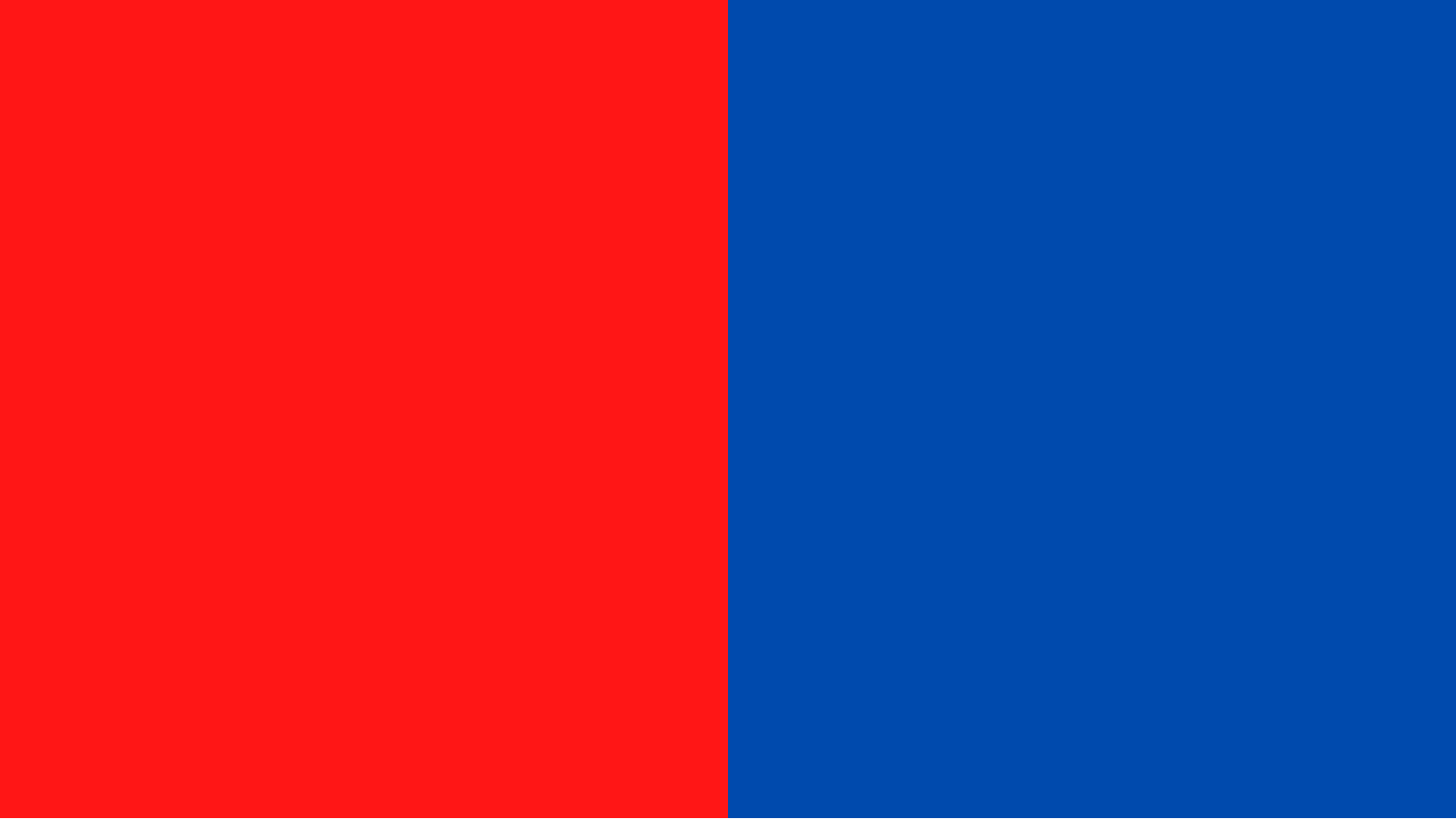
Purple is made by combining the primary colors blue and red.
When equal amounts of blue and red are mixed together, they create the secondary color purple.
However, the shade of purple can vary depending on the specific shades of blue and red used in the mixture.
Adding more blue will result in a bluish purple, while adding more red will create a reddish purple.
This versatile color is often associated with creativity, royalty, and spirituality, and it can evoke a sense of mystery and sophistication.
Purple has been used in art, fashion, and design to convey a wide range of emotions and atmospheres.
Effects of Mixing Purple
When mixing purple, the resulting shades can vary depending on the combination of primary colors and their proportions. The effects of mixing purple are as follows:
- Blue and Purple: Creates cooler shades with blue undertones.
- Red and Purple: Results in darker shades with reddish undertones.
- Yellow and Purple: As complementary colors, produce warm earthy shades.
- Green and Purple: Can create tones ranging from lavender to olive green.
Understanding the effects of mixing purple allows for the creation of a diverse range of shades, each with its own unique undertones and visual impact.
Diverse Applications
The multifaceted nature of the color purple lends itself to diverse applications across various creative domains, from art and design to fashion and photography.
In art, purple offers versatility, allowing artists to evoke a wide range of emotions and atmospheres. It can be used to create both bold and subtle effects, making it a valuable tool for visual expression.
In fashion and interior design, purple symbolizes luxury and royalty, offering designers the ability to craft looks that range from soft and elegant to bold and captivating.
In photography, purple hues can add an element of mystery and enchantment, creating dreamy and ethereal effects.
Challenges and Benefits

Understanding and mastering the use of purple can lead to captivating creations, but it also comes with its own set of difficulties.
Challenges
- Achieving the right balance of purple with other colors.
- Ensuring the intended symbolism is effectively conveyed.
- Managing the potential overwhelming nature of purple in a composition.
- Navigating cultural associations and interpretations of purple.
Benefits
- Gives a sense of luxury, creativity, and spirituality.
- Adding depth and richness to artistic creations.
- Creating a visually striking and unique aesthetic.
- Offering versatility in mood and atmosphere.
Color Combinations and Pairings
With an understanding of the art and symbolism of purple, exploring its dynamic potential in color combinations and pairings is essential for creating harmonious and impactful visual compositions.
- Contrast and Vibrancy: Pairing purple with yellow or orange creates a striking contrast, adding warmth and vibrancy to the composition.
- Mood Setting in Photography: Utilizing purple in photography can effectively establish a specific mood or atmosphere, often evoking mystery and enchantment.
- Fashion and Interior Design: From soft pastels to bold jewel tones, purple offers versatility in fashion and interior design, symbolizing luxury and creativity.
- Effects of Mixing: Mixing purple with complementary colors such as blue, red, yellow, or green yields a wide range of hues, each evoking distinct emotions and visual impacts.
How Does Purple Influence on Mood and Atmosphere?
Purple holds the power to set the tone and ambiance in various settings. Its association with luxury and spirituality can infuse spaces with a sense of opulence and tranquility, while its vibrant and bold shades can energize and uplift.
In interior design, purple can transform a room into a regal retreat or a whimsical wonderland, depending on the chosen hue.
Additionally, in art and photography, purple can evoke mystery and enchantment, adding layers of depth and emotion to visual compositions.
Harnessing the influence of purple on mood and atmosphere allows for the creation of captivating and immersive experiences.
How Does the Use of Purple in Art and Design Differ Between Western and Eastern Cultures?
The use of purple in art and design varies between Western and Eastern cultures. In Western art, purple symbolizes royalty and luxury, while in Eastern art, it represents spirituality and prosperity, showcasing diverse cultural interpretations and expressions.
Frequently Asked Questions
What Are the Historical Origins of the Color Purple and Its Significance in Ancient Civilizations?
The color purple has historical origins dating back to ancient civilizations, symbolizing power and wealth. It holds significance in royal attire and religious ceremonies, portraying spiritual and regal connotations. Its rich heritage spans across cultures, representing prestige and reverence.
How Does the Use of Purple Vary in Different Religious and Spiritual Practices Around the World?
The use of purple varies in religious and spiritual practices globally, representing diverse meanings such as nobility, spirituality, and mourning. It reflects the intricate interplay between cultural beliefs, historical contexts, and individual interpretations of symbolism.
Are There Any Lesser-Known Color Combinations That Work Well With Purple in Fashion and Design?
Certainly, lesser-known color combinations that complement purple in fashion and design include teal, coral, and mustard. These pairings offer a fresh and sophisticated look, adding depth and vibrancy to design compositions.
Conclusion
There you have it. Thank you for your time.